Chery SA’s acquisition of Nissan’s Rosslyn plant marks a major shift in South Africa’s automotive industry, affecting jobs, local manufacturing, and future vehicle production.
A Historic Shift for South African Manufacturing
The announcement that Chery SA will acquire Nissan’s Rosslyn plant has sent a strong signal through South Africa’s automotive sector. For decades, the Rosslyn facility stood as a symbol of Japanese manufacturing strength on local soil. Now, a fast-growing Chinese automaker is preparing to take the wheel.
This deal, expected to be finalized in mid-2026 pending regulatory approval, represents more than a simple property transaction. It reflects changing global automotive dynamics, shifting consumer demand, and South Africa’s evolving role in international vehicle production. For local workers, suppliers, and car buyers, the implications are wide-ranging and worth unpacking carefully.
For ongoing updates and deeper insights into the local market, readers can discover additional tips and industry news on [imotonews.co.za], a trusted hub for South African automotive coverage.
Background of Nissan’s Rosslyn Plant
60 Years of Vehicle Production in Rosslyn
Nissan officially opened the Rosslyn plant in 1966, making it one of the oldest continuously operating vehicle manufacturing facilities in South Africa. Over six decades, the factory adapted to different eras of automotive design, technology, and ownership structures.
Rosslyn didn’t just assemble vehicles; it trained generations of skilled workers and helped establish Pretoria as a key industrial hub. Its longevity alone makes this transition historic.
Key Models Built at the Plant
Over the years, the plant produced a wide range of vehicles, from early Datsun models to more recent Nissan nameplates. It also assembled vehicles for other brands, including the first-generation Fiat Uno and Renault Sandero.
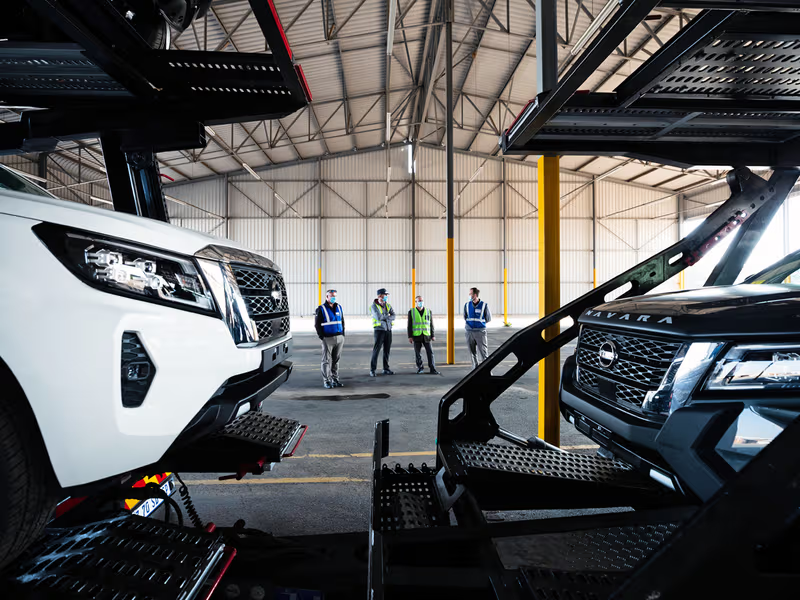
In recent times, the Nissan Navara became the plant’s primary output. However, declining volumes and global restructuring placed increasing pressure on the facility’s long-term viability.
Why Nissan Is Selling the Rosslyn Facility
Global Recovery Strategy Explained
Nissan’s decision to sell the Rosslyn plant ties directly into its global recovery plan announced in 2025. The strategy included cutting approximately 20,000 jobs worldwide and closing seven production plants within two years.
External pressures such as rising production costs, shifting consumer preferences, and increased competition forced Nissan to reassess which facilities aligned with its future goals.
Declining Local Production Challenges
South Africa’s market has become more competitive, with buyers demanding affordable, well-equipped vehicles. While Nissan remains a respected brand, its local production volumes declined sharply. Sales dropped by over 30 percent year-on-year in 2025, shrinking its market share significantly.
Given these realities, selling the Rosslyn plant allowed Nissan to stabilize operations while maintaining a presence in South Africa as an importer.
Chery South Africa’s Growth Story
Chery’s Market Performance in South Africa
Chery has been on a steady upward trajectory in South Africa. In 2025, the brand ranked eighth among best-selling automakers, recording a 26.7 percent increase in sales. That growth reflects strong consumer interest in competitively priced, feature-rich vehicles.
This momentum gives Chery the confidence to invest in local manufacturing, a move that could further strengthen its market position.
Why Local Manufacturing Matters to Chery
Local production offers several advantages. It reduces import costs, shortens supply chains, and aligns with government incentives aimed at boosting domestic manufacturing. More importantly, it signals long-term commitment.
Chery’s acquisition of the Rosslyn plant suggests the company sees South Africa as more than a sales market. It views the country as a production base for regional expansion.
Details of the Chery–Nissan Agreement
Timeline and Regulatory Approvals
According to Nissan SA, the sale is subject to regulatory approvals and other standard conditions. If all goes as planned, Chery SA will take ownership of the land, buildings, and associated assets in mid-2026.
This transition period allows both companies to manage operational changes carefully while ensuring continuity for employees and suppliers.
Assets Included in the Sale
The agreement covers the main Rosslyn manufacturing facility and the nearby stamping plant. These assets provide Chery with a ready-made industrial setup, reducing the time and cost needed to start production.
However, Chery has not yet confirmed which models will be produced at the site.
What Happens to Nissan Employees
Job Retention and Skills Transfer
One of the most reassuring aspects of the deal is the commitment to employees. Nissan confirmed that the majority of Rosslyn workers will be offered employment by Chery SA on substantially similar terms.
This approach preserves valuable skills and minimizes disruption for families dependent on automotive jobs.
Impact on the Local Supplier Network
Beyond direct employment, the Rosslyn plant supports a wide supplier ecosystem. Keeping the facility operational under new ownership helps protect these businesses and maintains economic stability in the region.
What This Means for Nissan Vehicles in South Africa
Nissan as a Sole Importer
Although Nissan will no longer manufacture vehicles locally, it has confirmed it will remain active in South Africa as a sole importer. Customers can still expect sales, servicing, and support across the country.
New models are planned for the 2026 fiscal year, reinforcing Nissan’s intention to stay relevant.
Future Models Like the Patrol and Tekton
Among the confirmed launches are the Y63-series Nissan Patrol and the Nissan Tekton. These models aim to strengthen Nissan’s offering in key segments, even without local production.
For buyers exploring alternatives in the used market during this transition, platforms like auto24.co.za already list popular models such as the Nissan Navara, Toyota Hilux, and Ford Ranger, making it easier to compare options without leaving the topic of practical car ownership.
The Uncertain Future of the Nissan Navara
The Navara currently remains the only vehicle rolling off the Rosslyn production line. However, its future is unclear once Chery takes over. Nissan previously indicated that the older D23-series Navara would continue locally, while the newer D27-series is produced elsewhere.
This uncertainty may influence buyer decisions in the short term, especially for those prioritizing locally built vehicles.
Opportunities for the South African Auto Industry
Boost to Local Manufacturing
Chery’s entry into local production could reinvigorate South Africa’s manufacturing landscape. New investment often brings updated processes, fresh supplier relationships, and increased competition.
These factors collectively strengthen the industry and create room for innovation.
Technology Transfer and EV Potential
While the current focus is on conventional vehicles, Chery’s global portfolio includes electrified models. For drivers looking to explore sustainable mobility, EV24.africa offers import options for electric cars, expanding choices in a market gradually warming to EV adoption.
In the long run, local manufacturing could even support EV assembly if demand grows.
Frequently Asked Questions (FAQs)
Q1: When will Chery officially take over the Rosslyn plant?
A: The takeover is expected in mid-2026, subject to regulatory approvals.
Q2: Will Nissan employees lose their jobs?
A: Most employees are expected to receive offers from Chery SA on similar terms.
Q3: Is Nissan leaving South Africa completely?
A: No. Nissan will continue operating as a vehicle importer.
Q4: What happens to the Nissan Navara?
A: Its future local production is unclear, though imports may continue.
Q5: Why is Chery investing in local manufacturing?
A: Local production reduces costs, improves supply chains, and shows long-term commitment.
Q6: Will Chery build electric vehicles at Rosslyn?
A: There’s no confirmation yet, but it remains a future possibility.
Conclusion
The decision by Chery SA to acquire Nissan’s Rosslyn plant marks a turning point for South Africa’s automotive sector. While it closes one chapter in Nissan’s local manufacturing history, it opens another filled with opportunity, investment, and renewed industrial relevance.
For workers, suppliers, and consumers, the road ahead looks cautiously optimistic. Change is rarely simple, but in this case, it carries the promise of continuity and growth.