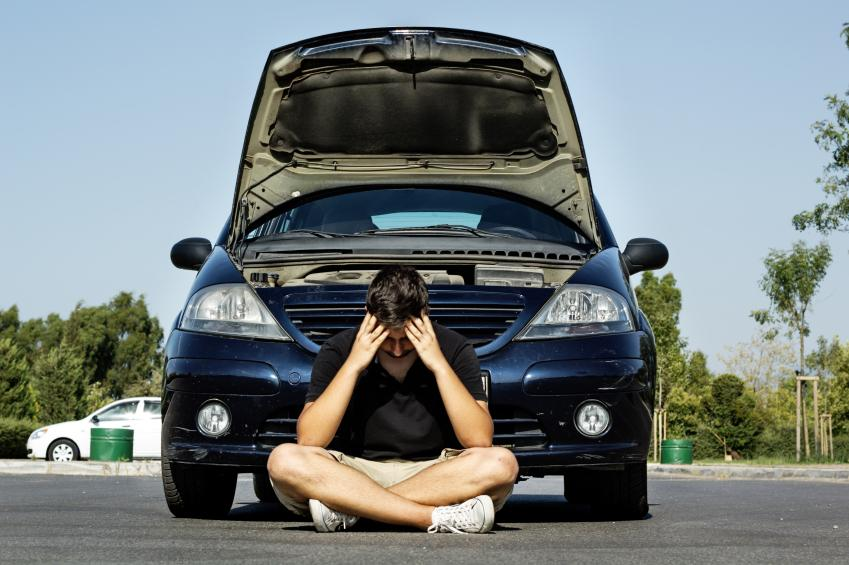
Owning a car in South Africa is almost a necessity. Whether you’re navigating Johannesburg’s notorious rush hour traffic, tackling the pothole-riddled back roads of KwaZulu-Natal, or making a long-haul trip along the N2 coastal route, your vehicle has to work hard every single day. And with South African roads presenting a unique set of challenges — from extreme heat and heavy summer rains to poorly maintained secondary roads — it’s no surprise that car problems are widespread across the country.
The good news? Most of these issues are entirely preventable. With a little routine care and awareness, you can keep your vehicle in great shape, avoid costly repairs, and stay safe on the road. For more driving tips and the latest automotive news tailored for South African drivers, imotonews.co.za is a great resource to bookmark.
Let’s break down the most common car problems South African drivers face — and exactly what you can do to avoid them.
1. Tyre Damage and Blowouts
If there’s one car problem that South Africans know all too well, it’s tyre trouble. The combination of potholes, gravel roads, uneven tar surfaces, and extreme summer temperatures puts enormous strain on tyres. Under-inflated tyres flex too much, weakening the sidewalls and making them far more susceptible to blowouts. Over-inflated tyres, on the other hand, reduce grip and make for an uncomfortable, dangerous ride.
How to avoid it: Check your tyre pressure at least once a month and always before a long trip. Make sure your tyres meet the manufacturer’s recommended PSI rating (usually found on a sticker inside the driver’s door). Inspect the tread depth regularly — if it’s worn down close to the wear indicators, it’s time for new tyres. Also rotate your tyres every 10,000 km to ensure even wear. If you drive on gravel roads frequently, consider all-terrain tyres for added durability.
2. Battery Failure
A flat or dying battery is one of the most common reasons South African motorists find themselves stranded. Batteries wear out faster in extreme temperatures — and South Africa’s scorching summers accelerate battery degradation significantly. Leaving lights on, short frequent trips that don’t allow the alternator to recharge the battery, and general age all contribute to battery failure.
How to avoid it: Have your battery tested at a fitment centre every year, especially if it’s older than three years. Avoid leaving lights, the radio, or air conditioning running when the engine is off. If your car struggles to start or you notice the headlights dimming, don’t ignore the warning signs — get the battery checked sooner rather than later.
3. Overheating Engine
South Africa’s summer heat is no joke, and engines can overheat quickly — especially older vehicles or those with neglected cooling systems. Overheating is often caused by low coolant levels, a cracked radiator hose, a faulty thermostat, or a failing water pump. When left unaddressed, overheating can cause catastrophic engine damage, warped cylinder heads, and blown head gaskets that cost tens of thousands of rands to repair.
How to avoid it: Check your coolant levels regularly and top up with the correct coolant mix (usually 50/50 with water). Have your radiator hoses, thermostat, and water pump inspected during your service. If your temperature gauge starts climbing above the normal range while driving, pull over safely and switch off the engine — don’t push on, as the damage escalates rapidly.
4. Brake Problems
Brakes are your car’s most critical safety component, and worn brake pads, warped discs, or spongy brake pedals are more common on South African roads than many drivers realise. Driving in heavy city traffic, descending mountain passes, or emergency braking to avoid potholes all accelerate brake wear. Shockingly, research by the National Vehicle Testing Association found that up to 80% of vehicles on South African roads were not in roadworthy condition — and faulty brakes are a leading culprit.
How to avoid it: Listen for squealing, grinding, or scraping sounds when you brake — these are telltale signs that your pads are worn and the brake disc may be getting damaged. Have brakes inspected at every service interval or every 20,000 km. Don’t ignore a spongy or soft brake pedal; this often indicates air or moisture in the brake fluid, which needs immediate attention. Brake fluid should be replaced every two years.
5. Suspension and Alignment Issues
South Africa’s roads are notoriously tough on suspension systems. Potholes, speed humps, and unpaved roads batter shock absorbers, struts, and wheel alignment. A car with poor alignment pulls to one side, wears tyres unevenly, and makes the vehicle harder to control — a serious safety hazard at highway speeds.
How to avoid it: Get your wheel alignment checked at least once a year, or whenever you notice the car pulling to one side or the steering wheel vibrating. Have your shock absorbers inspected every 80,000 km or if you notice excessive bouncing, nose-diving when braking, or a rough and unstable ride. Avoid driving at speed through potholes — slow down whenever possible. While this sounds obvious, it’s the single best thing you can do to extend your suspension’s life.
6. Transmission and Gearbox Faults
Transmission problems are sneaky — they develop gradually, so many drivers ignore the early warning signs until the repair bill is enormous. Slipping gears, hesitation when shifting, shuddering, or strange noises are all red flags. Automatic transmissions in particular are expensive to repair or replace, often running from R15,000 to R50,000 or more for a full overhaul.
How to avoid it: Pay attention to how your car shifts. If you drive a manual, avoid riding the clutch in slow-moving traffic — one of the quickest ways to shorten clutch life. Have transmission fluid checked and changed according to your service schedule. If something feels off, get it diagnosed early. A small fluid leak or a worn clutch can become a major transmission failure if left alone.
7. Electrical Faults and Faulty Lights
South Africa’s traffic safety depends heavily on drivers being able to read and signal intentions clearly. Faulty headlights, brake lights, indicators, or dashboard warning lights are not only dangerous — they can land you with a fine or make your vehicle unroadworthy. Electrical gremlins are also increasingly common in modern vehicles, and the combination of heat, dust, and moisture found in many South African regions puts wiring and components under strain.
How to avoid it: Do a walk-around check of your lights every few weeks. Replace globes as soon as they blow. Pay attention to warning lights on your dashboard — don’t dismiss a check engine light. If you notice flickering lights, blown fuses, or unexplained battery drain, have the electrical system inspected by a qualified auto electrician.
8. Oil-Related Engine Damage
Low oil levels or degraded oil are among the most common causes of serious engine damage. Skipping a service, oil leaks, or simply neglecting to check the dipstick can leave your engine running with insufficient lubrication, causing metal components to grind against each other and wear out prematurely.
How to avoid it: Check your oil level with the dipstick every two weeks or before long trips. If the oil looks very dark or smells burnt, it’s overdue for a change. Stick to your vehicle’s recommended service intervals, even if the car seems to be running fine. An oil change is one of the cheapest and most effective ways to protect your engine for the long haul.
9. Windscreen Cracks and Wiper Failure
South Africa’s summer hailstorms — particularly in Gauteng and the Highveld — are notorious for cracking windscreens and damaging bodywork. Beyond hail, stone chips from gravel roads are a daily reality for many drivers, and a small chip can quickly spread into a full crack. Damaged wipers are equally problematic during the heavy summer rains that affect much of the country.
How to avoid it: Repair stone chips as soon as they appear — most glass repair shops can fix a chip in under 30 minutes for a fraction of the cost of a full windscreen replacement. Replace your wiper blades every 12 months or when they start leaving streaks. Keep a watchful eye on hail alerts during summer and park undercover whenever you can. A cracked windscreen that obstructs the driver’s view is an automatic roadworthiness failure.
10. Air Conditioning Failures
In a country where summer temperatures regularly exceed 35°C, a broken air conditioner isn’t just uncomfortable — it’s a distraction and a safety issue. AC systems often fail due to refrigerant leaks, a broken compressor, or blocked cabin filters. Many South African car owners neglect the AC system until it completely stops working, at which point repairs can be costly.
How to avoid it: Run your AC system for at least 10 minutes every week, even in winter, to keep the seals lubricated and the system functional. Have the refrigerant levels checked once a year and the cabin air filter replaced every 15,000 km. Early signs of trouble include warm air blowing from the vents, unusual smells, or a clicking sound when the system kicks in.
Choosing the Right Car Helps Too
Many of these problems are exacerbated when driving a vehicle that isn’t suited to South African conditions, or one with a poor service history. If you’re in the market for a reliable used car, it pays to buy from a reputable source where vehicles are properly inspected. To find certified second-hand cars suitable for South African conditions, check out auto24.co.za — the platform offers a wide selection of pre-owned vehicles including popular models like the Toyota Fortuner, VW Polo Vivo, Ford Ranger, and Suzuki Swift, all of which are well-suited to local road conditions and backed by accessible parts availability.
For those open to exploring what’s next in motoring, EV24.africa offers import options for electric cars, expanding choices for South African drivers looking to explore sustainable mobility and reduce their dependence on fluctuating petrol prices. As the EV market grows locally, it’s worth knowing what’s available.
Building a Maintenance Routine That Works
The single most effective thing any South African driver can do is adopt a consistent maintenance routine. Here’s a simple checklist to keep your car in top shape:
- Monthly: Tyre pressure, oil level, coolant level, battery terminals, and all lights
- Every 10,000 km: Tyre rotation, oil change (check your vehicle’s specific interval), brake inspection
- Every 20,000 km: Air filter, cabin filter, wheel alignment and balancing
- Every 40,000 km: Spark plugs (petrol engines), brake fluid replacement, suspension inspection
- Annually: Full service, cooling system check, AC refrigerant check, battery load test
Also keep a basic emergency kit in your boot: a spare tyre in good condition, a jack, jumper cables, a first-aid kit, a torch, and a bottle of water. South African roads — particularly outside major cities — can be unpredictable, and being prepared turns a crisis into a minor inconvenience.
For the latest car reviews, maintenance guides, road trip inspiration, and motoring news specific to South Africa, visit imotonews.co.za — an excellent go-to resource for local drivers and automotive enthusiasts.
Final Word
South Africa’s roads are demanding, but they don’t have to be destructive to your vehicle. Most of the common car problems discussed above come down to one thing: neglect. Staying on top of basic maintenance, choosing a well-serviced vehicle, and paying attention to what your car is telling you will save you money, keep you safe, and extend the life of your vehicle significantly. Drive smart, maintain often, and enjoy the road.
Frequently Asked Questions (FAQs)
Q: What is the most common car problem in South Africa? Tyre damage is arguably the most widespread issue, driven by the country’s pothole-heavy roads, gravel surfaces, and high summer temperatures. Battery failure and brake wear are close runners-up. All three are largely preventable with regular maintenance.
Q: How often should I service my car in South Africa? Most manufacturers recommend a service every 15,000 km or once a year — whichever comes first. However, if you drive frequently on dusty gravel roads or in heavy stop-start traffic, more frequent oil and filter changes are advisable. Always follow your vehicle’s handbook for the most accurate guidance.
Q: Why do car batteries fail faster in South Africa? Extreme heat is the primary culprit. High temperatures cause battery fluid to evaporate, damaging the internal structure and reducing the battery’s ability to hold a charge. Short trips that don’t allow the alternator to fully recharge the battery also shorten its lifespan considerably. A battery older than three years should be load-tested annually.
Q: What should I do if my engine overheats while driving? Pull over safely as soon as possible and switch the engine off. Do not open the radiator cap immediately — let the engine cool down for at least 30 minutes before checking coolant levels. If you have coolant or water available, carefully top it up once the engine has cooled. If the problem persists or you’re unsure of the cause, call for roadside assistance rather than risking further engine damage.
Q: Are South African roads hard on suspension? Yes, significantly so. Potholes, speed humps, poorly maintained secondary roads, and unpaved tracks are all major contributors to premature suspension wear. Shock absorbers, ball joints, and wheel alignment are among the most frequently damaged components. Slowing down before potholes and getting your alignment checked regularly go a long way toward protecting your suspension.
Q: How can I tell if my brakes need attention? Common warning signs include squealing or grinding noises when braking, a spongy or soft brake pedal, the car pulling to one side under braking, or a vibrating steering wheel when you apply the brakes. If you notice any of these symptoms, have your brakes inspected by a qualified mechanic as soon as possible — don’t wait for your next scheduled service.
Q: Is it worth buying a used car in South Africa? Absolutely — as long as you buy from a reputable dealer and the vehicle has a verifiable service history. Platforms like auto24.co.za list pre-owned vehicles that have been inspected and are suited to local conditions, making it easier to find a reliable car without the new-car price tag.
Q: What is the best way to protect my car during South Africa’s hail season? Park undercover whenever possible, especially during Highveld summer afternoons when hailstorms are most common. Sign up for weather alerts on your phone. If caught in a hailstorm while driving, pull into a garage, petrol station, or under a bridge if it’s safe to do so. Comprehensive car insurance that covers hail damage is also strongly recommended.
Q: Can electric cars handle South African road conditions? Modern EVs are increasingly capable of handling South Africa’s varied road conditions, and the market is growing. For drivers interested in making the switch, EV24.africa offers import options for electric vehicles suited to the local market, giving South African drivers more sustainable alternatives to consider.
Q: What should I keep in my car for emergencies on South African roads? A well-stocked emergency kit should include: a spare tyre in good condition, a wheel spanner and jack, jumper cables, a reflective triangle, a basic first-aid kit, a torch with spare batteries, a bottle of water, and a phone charger. If you travel on rural routes regularly, a tow rope and a fire extinguisher are also worth having on hand.