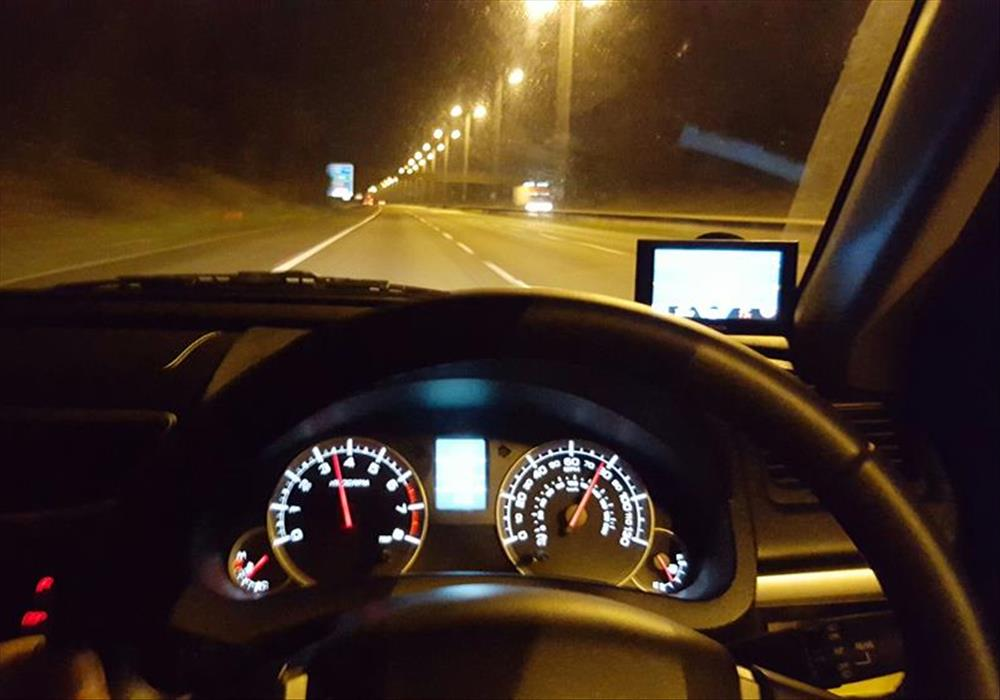
Driving at night in South Africa is a fundamentally different experience from driving during the day — and not just because of the reduced visibility. The country’s roads after dark come with a unique combination of challenges that set them apart from almost anywhere else in the world: high crime and hijacking statistics, poorly lit rural roads, drunk drivers returning from weekend gatherings, pedestrians walking along unlit highways, free-roaming livestock, and a network of secondary roads riddled with potholes that are almost invisible until your front tyre is already in one.
The numbers tell a sobering story. In South Africa, 58% of traffic fatalities occur during the night, with the likelihood of a fatal crash being four to five times higher after dark compared to daylight hours. And almost 40% of road fatalities in South Africa are pedestrians — often people crossing or walking on roads at night where street lighting is absent or unreliable.
None of this means you should avoid driving at night entirely — for many South Africans, it simply isn’t possible. What it does mean is that night driving requires a different mindset, a properly prepared vehicle, and a set of smart habits that can dramatically reduce your risk on the road.
This guide covers everything you need to know to drive safely after dark in South Africa — from preparing your car to handling specific on-road threats unique to this country. For more road safety guidance and the latest motoring news tailored to South African drivers, imotonews.co.za is an excellent resource to keep close at hand.
Why Night Driving Is More Dangerous in South Africa
Before diving into the tips, it’s worth understanding the specific risks that make after-dark driving particularly hazardous on South African roads. Awareness is the foundation of safer driving.
Reduced visibility is the most obvious factor. Human eyes are not optimised for low-light driving, and even with functioning headlights, your field of vision at night is significantly narrower than during the day. Potholes, pedestrians, road debris, and animals can appear with very little warning.
Drunk and fatigued drivers are far more prevalent on the roads at night, particularly on weekends and over the festive season. South African law enforcement frequently conducts sobriety checkpoints, especially at night and on weekends — and for good reason. Despite stringent laws, drunk driving remains a persistent and deadly problem on South African roads.
Crime and hijacking pose a very real threat after dark. Night driving requires heightened awareness and extra precautions due to South Africa’s unique high crime rate. Hijackings frequently occur at traffic lights, off-ramps, and quiet side roads — and darkness provides cover for criminals.
Pedestrians and livestock on unlit roads create sudden, unpredictable obstacles. Roads in many rural areas are not fenced, so you could find dogs, chickens, sheep and even horses or cows on the road, making it dangerous to drive at night. In some areas, large antelope crossing at dusk and dawn add another layer of hazard.
Driver fatigue compounds all of the above. The body’s natural circadian rhythm causes alertness to dip during the late evening and early morning hours, and fatigued drivers have significantly impaired reaction times, judgement, and situational awareness.
1. Prepare Your Vehicle Before Driving at Night
Your car is your most important tool on a night drive, and a vehicle that isn’t properly prepared dramatically increases your risk. Before setting off after dark, run through this essential checklist:
Check Your Headlights and Taillights
Dirty or misaligned headlights can drastically reduce visibility. Regularly check your headlights and clean them to ensure they’re bright and pointing in the right direction. Dull or broken headlights should be replaced immediately for optimal safety. This applies equally to your taillights and brake lights. A working tail light doesn’t just help you see — it helps other drivers see you, which is equally important on dark, fast-moving highways.
Yellowed or foggy headlight lenses are common on older vehicles and can reduce light output by up to 80%. Headlight restoration kits are inexpensive and widely available at most auto parts stores — a small investment with a major safety payoff.
Clean Your Windscreen and Mirrors
A dirty windscreen causes significant light scatter at night, turning oncoming headlights into a blinding glare that makes it almost impossible to see the road clearly. Clean both the inside and outside of your windscreen thoroughly before a night drive, and make sure your wipers are in good condition for sudden rain. A clean windshield and mirrors minimise glare and improve visibility.
Inspect Your Tyres
Night roads are unforgiving. Bald or under-inflated tyres take longer to stop and are far more prone to blowouts — and a tyre blowout at highway speed in the dark is a life-threatening event. Check your tyre pressure and tread depth before any night drive, especially a long one.
Ensure Your Battery and Alternator Are in Good Health
A failing battery or alternator can cause your lights to dim unpredictably — the last thing you want on a dark rural road. If your headlights flicker or dim when you rev the engine, have your electrical system inspected before driving at night.
Fill Up on Fuel
Never start a night drive on a low tank. Fuel stations in rural areas may be closed after a certain hour, and breaking down on a dark road — particularly in an unfamiliar area — puts you in a highly vulnerable position.
Car Tip: Before any long-distance night drive, do a full pre-trip inspection: lights, tyres, coolant, oil, wipers, and fuel. Five minutes of preparation can prevent hours of danger.
2. Manage Your Speed — Slow Down After Dark
Speeding can be even more dangerous at night. Lowering your speed gives you more time to react to sudden changes on the road, like unexpected animals, pedestrians, or debris. Drive at a pace that allows you to stop safely within the distance illuminated by your headlights.
This principle — driving within your headlight range — is one of the most important concepts in night driving. Standard headlights on low beam illuminate roughly 50 to 60 metres ahead of your vehicle. At 120 km/h, your stopping distance in an emergency exceeds 90 metres. This means that at the legal speed limit, you are effectively driving faster than your headlights can see — a concept known as “overdriving your headlights.”
Reducing your speed at night is not timidity — it is physics. A speed reduction of even 20 km/h can make the difference between stopping in time and a collision. On rural roads, in misty conditions, or after rain, reduce your speed further.
3. Master Your Headlight Use
Knowing when and how to use your headlights correctly is one of the most underrated night driving skills.
High beams vs. low beams: High beams extend your visibility significantly — up to 100 metres or more — but must be switched to low beam when approaching oncoming traffic or when following another vehicle closely. High beams can blind other drivers and increase the risk of accidents. Use low beams when driving near other vehicles, especially when there’s oncoming traffic.
Flash your high beams responsibly: In South Africa, flashing headlights is sometimes used as a warning signal between drivers. However, flashing high beams at a driver who hasn’t dipped theirs can create a dangerous moment of mutual blindness. Rather than retaliating, briefly look to the left edge of the road to avoid being blinded by oncoming glare.
Fog lights: South Africa’s coastal highways and highveld roads can experience thick mist and fog, particularly in winter and early spring. Use fog lights only when visibility is genuinely reduced by fog, mist, or heavy rain. Using fog lights in clear conditions dazzles other drivers and is illegal.
4. Stay Alert — Combat Fatigue Actively
Driver fatigue is one of the leading causes of fatal accidents on South African roads, and the risk escalates dramatically at night. The problem with fatigue is that it creeps up gradually — by the time you realise you’re dangerously tired, your judgement is already severely impaired.
If you feel drowsy, pull over to a safe location and take a short nap. Avoid pushing through drowsiness, as it impairs reaction time and decision-making. Coffee and energy drinks offer only a brief boost and are no substitute for genuine rest. It is recommended to stop for a rest break, if safe to do so, every 90 minutes on long drives.
Practical strategies to manage night drive fatigue:
- Rest well before a long night drive. Starting tired is already losing the battle.
- Take a passenger if possible — a conversation partner helps maintain alertness.
- Keep the car cool. A warm, stuffy cabin accelerates drowsiness significantly.
- Stop at a petrol station, restaurant, or rest area every 90 to 120 minutes.
- If you feel yourself micro-sleeping — sudden jolts, missing sections of road — pull over immediately. This is a medical emergency, not a minor inconvenience.
Car Tip: Plan your rest stops before you leave, and identify safe, well-lit petrol stations along your route where you can pull in, stretch, and have something to eat or drink.
5. Be Crime-Smart on Night Roads
South Africa’s crime reality demands that night driving includes a layer of security awareness that drivers in many other countries simply don’t have to think about. Driving at night requires heightened awareness and extra precautions due to South Africa’s unique high crime rate. Stay informed of the latest hijacking hotspots and criminal tactics so you can reduce your risk.
Here are the most effective crime-safety habits for driving at night in South Africa:
Lock your doors and keep windows up. Do this before you pull off — not when you sense trouble. A locked door creates precious seconds of delay in a threat situation.
Plan your route in advance. Use a GPS navigation app to stay on track, try to stick to well-lit main roads, and avoid shortcuts through unfamiliar or potentially dangerous areas. Avoid driving through unfamiliar townships, unlit industrial areas, or remote stretches where you know crime is active.
Be alert at traffic lights and stop streets. Be extra cautious at red lights in quiet areas. In South Africa, a widely practised — and understandable — safety behaviour is to slow down and roll through a quiet red light after a careful check, rather than stopping completely in an area that feels unsafe. Use your judgement, proceed with caution, and always check for cross-traffic first.
Never stop for road debris. Be cautious of any debris you see on the road. It may have been placed there purposely by a criminal in an attempt to get vehicles to stop. Never get out of your vehicle to clear anything from the road — just do your best to drive around it.
Never pick up hitchhikers at night. No matter how innocent the situation appears, picking up strangers after dark is a serious security risk on South African roads.
Share your route. Before leaving, plan your route and share it with a trusted friend or family member. Let someone know your expected arrival time and check in when you arrive.
6. Watch Out for Pedestrians and Animals
This is perhaps the most uniquely South African night driving challenge outside of crime. Pedestrian fatalities account for a tragically high proportion of South African road deaths, and the majority occur after dark.
Pedestrians walking along unlit roads — particularly in township areas, near informal settlements, and on rural roads — are almost invisible to drivers until it is dangerously late. Dark clothing, no reflective gear, and the absence of street lighting make them nearly undetectable until they are caught in your headlights at close range.
Slow down on unlit roads, especially near residential areas, schools, taxi ranks, and shebeens. Scan both verges of the road continuously — do not focus only on the centre of the road ahead.
Livestock poses an equally serious risk on rural roads. A cow standing in the middle of a dark road is effectively invisible until you are almost upon it. On unfenced rural roads, reduce your speed significantly and use your high beams to extend your sight range as much as possible.
Avoid driving at dawn or dusk through game areas — this is when most animals are out feeding. If you are driving near game reserves or Kruger National Park at night, drive very slowly and keep your high beams engaged on straight sections.
Car Tip: If you hit a large animal like a cow or kudu at highway speed, the damage to your vehicle and the risk of serious injury to occupants is severe. Slow down on rural roads at night — nothing is worth the risk of a high-speed collision with livestock.
7. Manage Glare and Eye Fatigue
Headlights, streetlights, and bright signage can strain your eyes at night. To reduce eye fatigue, avoid staring directly at bright lights, and consider wearing anti-reflective glasses if you wear prescription lenses. Regular eye check-ups are essential, especially for night driving safety.
If you wear prescription glasses, ensure they have an anti-reflective coating — without it, every oncoming headlight becomes a starburst of scattered light that dramatically reduces your vision. Many South Africans drive with prescription lenses that are years out of date, a serious safety issue that is easily corrected.
When blinded by an oncoming vehicle’s high beams, look to the left edge of the road rather than at the light source, and use the road markings as your guide until the vehicle has passed.
Adjust your rear-view mirror to the night-driving position (the small lever on the back of most mirrors) to reduce the glare from headlights behind you. Many modern vehicles have auto-dimming mirrors that do this automatically.
8. Emergency Preparedness: What to Do If Things Go Wrong
Even the most careful driver can face an emergency at night. Being prepared for the unexpected is as important as safe driving habits.
If you break down:
- Pull off the road as far as possible and activate your hazard lights immediately.
- Place a reflective warning triangle at least 45 metres behind your vehicle.
- Stay inside your vehicle with doors locked if you are in an unsafe area — do not stand outside waiting.
- Call for roadside assistance or a trusted contact. Most comprehensive car insurance policies include 24-hour roadside assistance.
- If you must exit the vehicle, stay on the verge away from traffic and carry your phone.
If you witness an accident:
- Contact emergency services by calling 10111 (SAPS) or 10177 (ambulance) immediately.
- If safe, activate your hazards and position your vehicle to warn oncoming traffic.
- Do not attempt to move an injured person unless they are in immediate danger.
Emergency numbers to save:
- SAPS Emergency: 10111
- Ambulance: 10177
- General Emergency (from a mobile): 112
- AA Roadside Assistance: 0861 000 234
Choosing a Vehicle That’s Safe for Night Driving
The car you drive makes a tangible difference to your night driving safety. Modern vehicles come equipped with features that significantly improve after-dark visibility and threat response — adaptive headlights that follow the curve of the road, automatic high-beam switching, lane departure warnings, and automatic emergency braking.
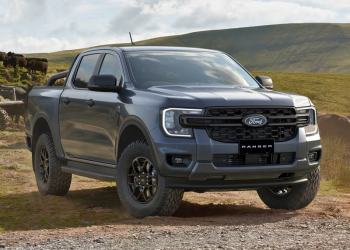
If you’re considering upgrading to a vehicle with stronger night-driving credentials, auto24.co.za lists a wide range of certified pre-owned vehicles suited to South African conditions. Popular models on the platform such as the Toyota Fortuner, Ford Ranger, and Isuzu D-Max offer strong lighting systems, high driving positions for better road visibility, and robust safety features — all well-suited for both highway night driving and rural roads. Even practical options like the Toyota Corolla Cross and Suzuki Swift Dzire come equipped with modern safety electronics that older used cars simply lack.
When purchasing any used vehicle for night driving, prioritise: working automatic high-beam assist, functional fog lights, a clean windscreen with no delamination or scratches, and a modern ABS braking system. These features can genuinely save your life after dark.
For eco-conscious drivers thinking about the future, EV24.africa offers import options for electric vehicles in South Africa. Many modern EVs come with some of the most advanced safety suites available — including night vision assistance, automatic emergency braking, pedestrian detection, and adaptive LED lighting that adjusts to road conditions in real time. As South Africa’s EV charging infrastructure expands, EVs are increasingly becoming a viable option for regular night drivers who want maximum technology on their side.
Quick Night Driving Checklist
Before every night drive, run through this checklist:
- ✅ Headlights, taillights, and brake lights all working
- ✅ Windscreen and mirrors clean — inside and out
- ✅ Tyre pressure and tread depth checked
- ✅ Fuel tank full or sufficient for the journey plus a buffer
- ✅ Route planned and shared with a trusted contact
- ✅ Phone charged and emergency numbers saved
- ✅ Rest — you are well-rested before departing
- ✅ Doors locked and windows up before pulling off
- ✅ Reflective triangle and emergency kit in the boot
For more practical guides, driving tips, and car news written specifically for South African motorists, imotonews.co.za is a trusted destination worth bookmarking.
Final Word
Night driving in South Africa demands respect, preparation, and a conscious shift in your driving habits. The risks are real and well-documented — but they are also manageable. With a properly maintained vehicle, smart route planning, disciplined speed management, and a heightened awareness of the unique threats on South African roads after dark, you can significantly improve your safety and the safety of everyone around you.
Drive slower. Stay alert. Keep your car in good condition. And always, always make it home.
Frequently Asked Questions (FAQs)
Q: Is it safe to drive at night in South Africa? Night driving in South Africa carries significantly higher risks than daytime driving. Statistics show that 58% of traffic fatalities in South Africa occur at night, with the risk of a fatal crash being four to five times higher after dark. That said, millions of South Africans drive safely at night every day by following smart precautions — keeping their vehicle in good condition, sticking to well-lit main roads, locking their doors, managing their speed, and staying alert. Preparation and awareness are everything.
Q: What are the biggest risks of driving at night in South Africa specifically? South Africa’s unique night driving risks include: pedestrians walking on unlit roads, free-roaming livestock on unfenced rural roads, drunk and fatigued drivers, potholes that are nearly invisible in the dark, and a higher risk of criminal activity including hijackings at traffic lights and isolated stops. None of these are unavoidable — but all of them require specific awareness and habits to manage effectively.
Q: What should I do at traffic lights when driving at night in South Africa? In areas you know to be unsafe, the widely practised approach is to slow down, carefully check for cross-traffic, and proceed with caution through a red light rather than stopping completely and making yourself a stationary target. While this deviates from strict traffic law, road safety authorities acknowledge the reality of crime hotspots. Always ensure no cross-traffic is approaching before proceeding, and use your own judgement based on the specific location.
Q: How do I deal with being blinded by oncoming high beams at night? Avoid looking directly at the oncoming lights. Instead, shift your gaze to the left edge of the road and use the road markings or verge as a guide until the vehicle has passed. Do not flash or retaliate with your own high beams, as this creates a moment of mutual blindness that is dangerous for both drivers. Ensure your windscreen is clean, as scratches and grime massively amplify glare from oncoming lights.
Q: How often should I get my eyes tested if I drive at night regularly? An annual eye check-up is recommended, especially for those who frequently drive at night. Night vision naturally deteriorates with age, and conditions like uncorrected short-sightedness or astigmatism can make oncoming headlights appear as blinding halos rather than precise light sources. If you wear prescription glasses, ensure they have an anti-reflective coating — it makes a substantial difference to night driving clarity.
Q: What are the legal requirements for driving lights in South Africa? In South Africa, all vehicles must have functioning headlights, taillights, brake lights, and indicators. Driving without functioning lights is illegal and can result in a fine or your vehicle being declared unroadworthy. Fog lights may only be used when visibility is genuinely reduced by fog, mist, or heavy rain — not as a substitute for standard headlights in clear conditions.
Q: What should I do if I break down on a dark road at night? Pull as far off the road as possible and activate your hazard lights immediately. Place a reflective warning triangle at least 45 metres behind your vehicle. Stay inside with doors locked if the area feels unsafe. Call roadside assistance (AA: 0861 000 234) or a trusted contact. If you must exit the vehicle, move to the verge away from traffic. Carry your phone with you at all times and avoid walking along the road to seek help — wait for assistance to come to you wherever possible.
Q: Does fatigue really make night driving dangerous? Extremely so. Fatigued driving is comparable to drunk driving in terms of impaired reaction time and judgement. It is recommended to stop for a rest break every 90 minutes on long drives. Warning signs of dangerous fatigue include difficulty keeping your eyes open, missing road signs, forgetting the last few kilometres of driving, and drifting between lanes. If you experience any of these, pull over at the nearest safe, well-lit location and rest before continuing.
Q: What car features are most useful for night driving safety? Key features to look for include: adaptive or LED headlights (brighter and wider coverage than standard halogen), automatic high-beam switching, anti-glare rear-view mirrors, forward collision warning and automatic emergency braking, and lane departure warning systems. Many of these features are now available in certified pre-owned vehicles listed on platforms like auto24.co.za — making it possible to access modern safety technology without paying new-car prices.
Q: Are electric vehicles safe for night driving in South Africa? Modern electric vehicles often carry some of the most advanced active safety systems of any car on the market, including pedestrian detection, night vision cameras, and adaptive LED lighting — features that are highly valuable on South Africa’s challenging night roads. For South African drivers interested in transitioning to an EV, EV24.africa offers import options for electric vehicles, including models equipped with these advanced safety technologies. As charging infrastructure in South Africa continues to grow, EVs are becoming an increasingly viable and safe choice for night drivers.