South Africa’s new-vehicle market grew 12.9% in H1 2026, but five automakers moved in the opposite direction. Here’s who’s struggling and why.
While South Africa’s Car Market Grew 12.9%, These Five Brands Went Backwards
South Africa’s new-vehicle market posted a genuinely strong first half of 2026, growing 12.9% year-on-year to 315,303 units. But not every automaker shared in that momentum — nine of the 34 manufacturers reporting to Naamsa actually lost ground during the period, and five of them suffered particularly steep declines worth understanding.
The Smaller Declines Worth Noting First
Before getting to the biggest fallers, it’s worth flagging four brands that dipped more modestly: Mazda slipped 4.3% to 1,284 units, Mercedes-Benz eased back 2.0% to an estimated 3,103 units, Renault dropped 1.8% to 8,028 units, and Mitsubishi fell 1.7% to just 1,004 units. None of these represent a crisis, but they show the broader market growth wasn’t universally shared even among established players.
Proton’s Collapse Is the Steepest of the Lot
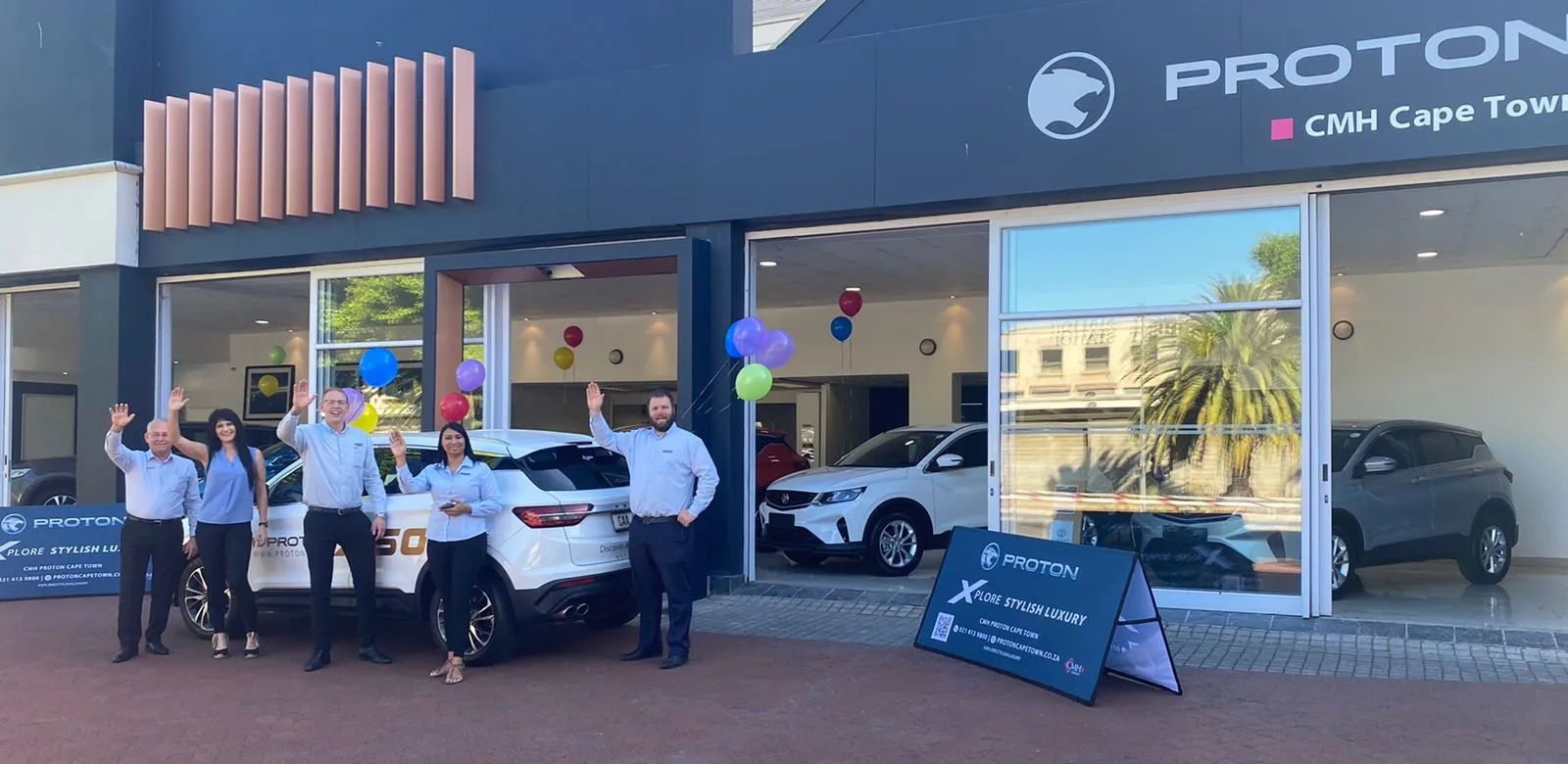
No brand fell further than Proton, whose local registrations collapsed 87.2% year-on-year to a mere 42 units. That decline isn’t really about product appeal — it reflects the brand’s uncertain distribution situation in South Africa, with previous distributor CMH Group having effectively stepped away while Geely Auto SA weighs whether to take over the brand locally. With CMH reportedly working to clear remaining Proton stock rather than order fresh inventory, this decline looks structural rather than a genuine loss of buyer interest.
Nissan’s Local Manufacturing Shift Is Reshaping Its Range
Nissan’s 20.1% decline to 6,267 units drops the brand from 12th to 15th position in South Africa’s sales rankings. The Magnite, Nissan’s volume driver in the passenger segment, fell 15.4% to 3,634 units, while Navara bakkie sales slid 25.3% to 1,965 units. Compounding matters, Nissan sold its Rosslyn manufacturing plant to the Chery Group, meaning the Navara now arrives as a Thailand-built import rather than a locally produced model — a genuine shift in Nissan’s South African manufacturing footprint that buyers may start noticing through pricing or availability changes.
Not Every Chinese Brand Is Thriving
BAIC’s 15.4% decline to 1,157 units is a useful reminder that the current wave of Chinese-brand growth in South Africa isn’t universal. While the newly launched B30 added a useful 615 units to BAIC’s tally, sales of the X55 Plus plunged 47.9% to just 528 units, and the B40 Plus managed only 14 units, down 65.9% year-on-year.
Jaguar Land Rover’s Decline Tells Two Different Stories
Jaguar Land Rover’s combined 12.1% drop to 1,363 units masks two very different situations. Jaguar itself registered zero units in H1 2026, down from a modest 28 units a year earlier, reflecting the brand’s ongoing production pause globally rather than any local sales failure. Land Rover, meanwhile, saw its Defender — still the group’s best-seller locally — dip a comparatively mild 2.3% to 795 units, with other Land Rover and Range Rover models experiencing steeper declines.
Subaru Rounds Out the List
Subaru’s registrations fell 8.4% to 217 units, averaging just 36 vehicles sold per month — among the lowest volumes of any passenger brand reporting to Naamsa, trailing only Proton and Ferrari importer Scuderia. The Forester, Subaru’s mainstay locally, dropped 14.8% to 138 units over the six months.
What This Means for Buyers
A brand losing sales momentum isn’t automatically a reason to avoid it — in Proton’s case, it’s a distribution and ownership question rather than a product one, while Nissan’s decline reflects a genuine manufacturing transition rather than declining demand for the Magnite or Navara themselves. Still, if you’re shopping for any of these brands, it’s worth checking current dealer stock and support levels before committing.
If you’d rather explore the used market while some of these brands work through their transitions, auto24.co.za is a solid place to compare current pricing across affected models. And with several manufacturers shifting production and sourcing strategies, EV24.africa remains useful for tracking how the broader industry’s electrification plans continue evolving locally. For more South African automotive market coverage, keep checking imotonews.co.za.