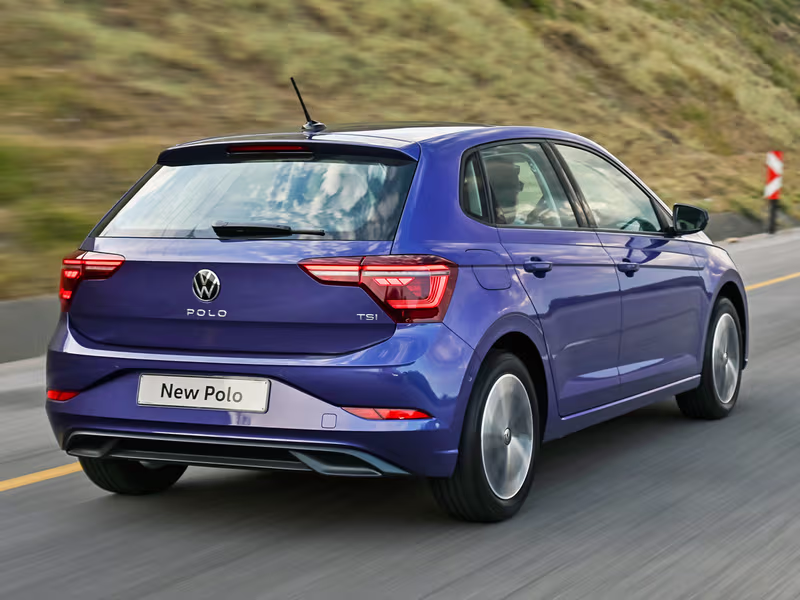
South Africa’s new-vehicle market had a surprisingly strong year in 2025, growing by 15.7% to reach 596,818 units, its best performance since 2015. However, not every brand benefited from this upward trend. While many automakers posted solid gains, a handful experienced notable year-on-year sales declines.
In this article, structured in line with popular market list-style guides, we break down the five automakers with the biggest sales drops in South Africa in 2025, explain what went wrong, and share practical insights for buyers and industry watchers. For broader automotive market coverage and analysis tailored to local drivers, you can always read more here on imotonews.co.za.
How the Data Was Analysed
Before diving in, it’s important to understand how these figures were compiled:
- Sales data is based on Naamsa manufacturer reports for 2024 and 2025
- Only light-vehicle manufacturers were included
- Some brands are grouped under larger manufacturer umbrellas, such as Stellantis and Volkswagen Group
- Certain automakers, including BYD and GAC, do not report publicly and are therefore excluded
With that context in mind, let’s look at the five brands that struggled the most in percentage terms.
1. Proton – Down 48.3% Year on Year
Units sold in 2025: 459
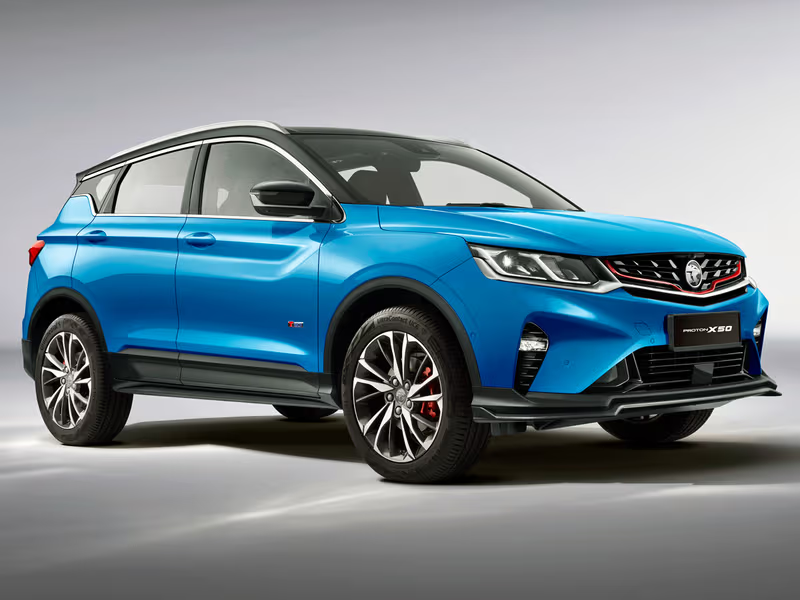
Proton recorded the largest percentage decline of any automaker in South Africa in 2025. Sales nearly halved compared to the previous year, raising serious questions about the brand’s local future.
Although Proton South Africa stated it was not exiting the market, sales slowed dramatically towards the end of the year, with minimal monthly registrations. Limited brand awareness, a narrow product range, and uncertainty around long-term support all appear to have contributed.
Buyer tip: If you are considering a used Proton, pay close attention to parts availability and dealer support. A full service history is essential.
2. Volvo Cars – Down 36.8%
Units sold in 2025: 903
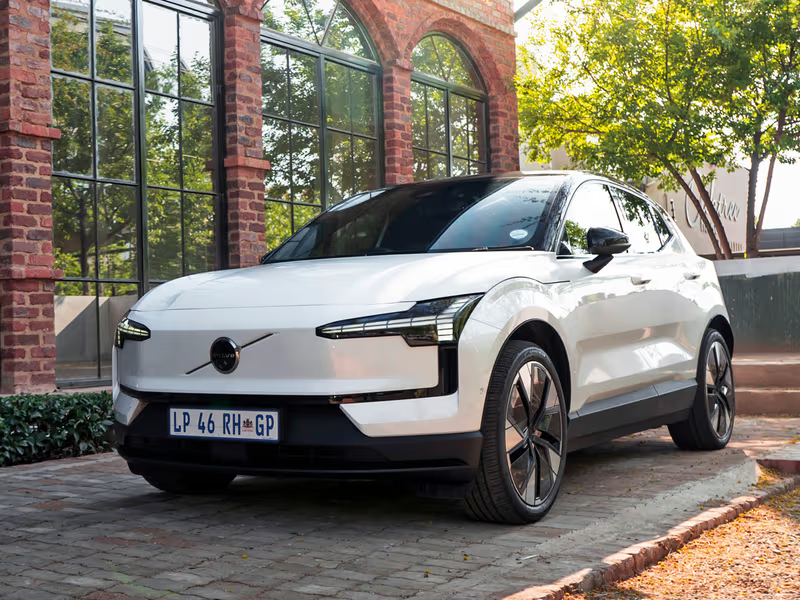
Volvo Cars South Africa slipped into three-digit annual sales in 2025, down sharply from 1,428 units in 2024. Despite strong global demand and a premium brand image, local conditions proved challenging.
Volvo’s best month was March, while August saw particularly weak sales. High pricing and increased competition from German premium brands likely played a role.
Car care insight: Premium vehicles like Volvo benefit from strict adherence to service schedules. Skipping maintenance can significantly impact long-term reliability and resale value.
3. Nissan – Down 32.3%
Units sold in 2025: 15,085
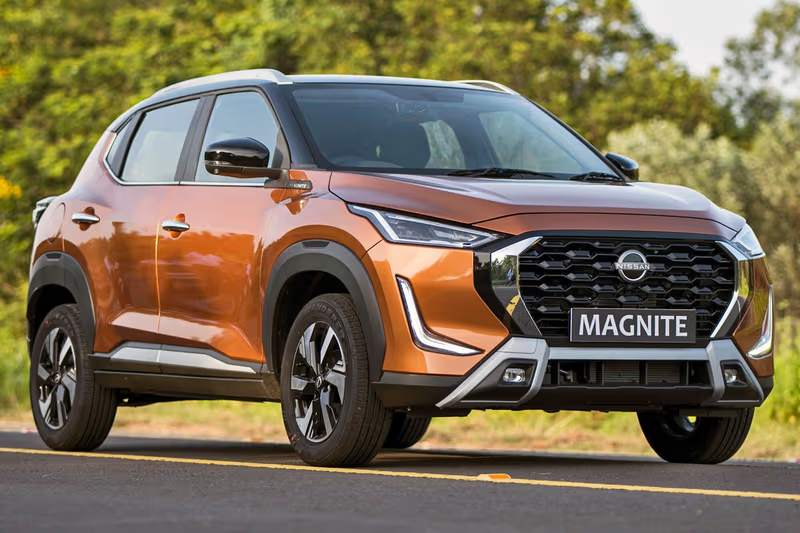
In pure volume terms, Nissan suffered the biggest loss in South Africa, shedding 7,199 units year on year. This decline pushed Nissan out of the local top 10 brands.
A major factor was the discontinuation of the NP200 half-tonne bakkie, which had been a consistent high-volume seller. Passenger models such as the Magnite also saw softer demand.
For buyers looking at affordable crossovers and bakkies, platforms like auto24.co.za currently list alternatives such as the Toyota Hilux, Ford Ranger, and used Nissan Magnite models, helping shoppers compare options without going off-topic.
4. Honda – Down 13.6%
Units sold in 2025: 2,517
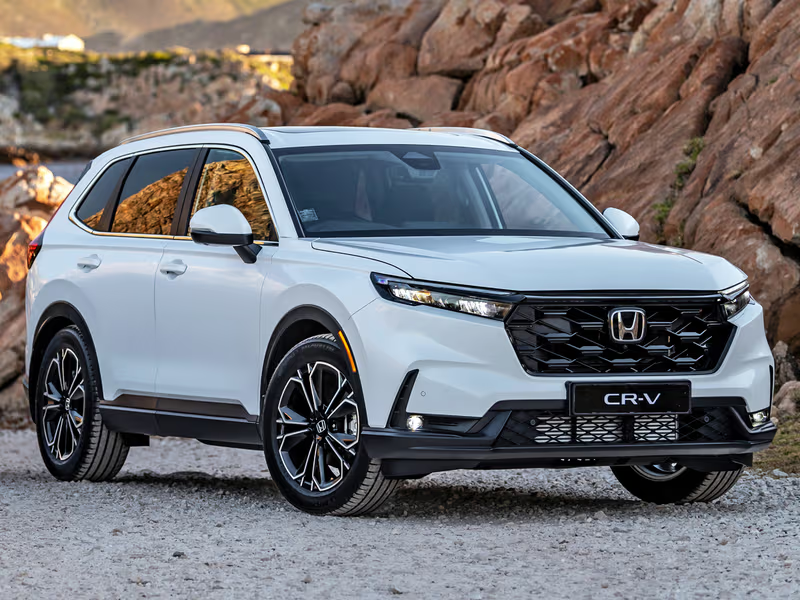
Honda Motor Southern Africa recorded a double-digit decline, largely due to the discontinuation of older models like the Ballade and BR-V. Several other models, including the Civic and CR-V, also posted lower sales.
The bright spot was the Honda Elevate, which more than doubled its sales to become the brand’s top seller.
Buyer tip: When buying discontinued models, confirm future parts support and check whether recalls or updates have been completed.
5. Mitsubishi – Down 12.5%
Units sold in 2025: 1,942
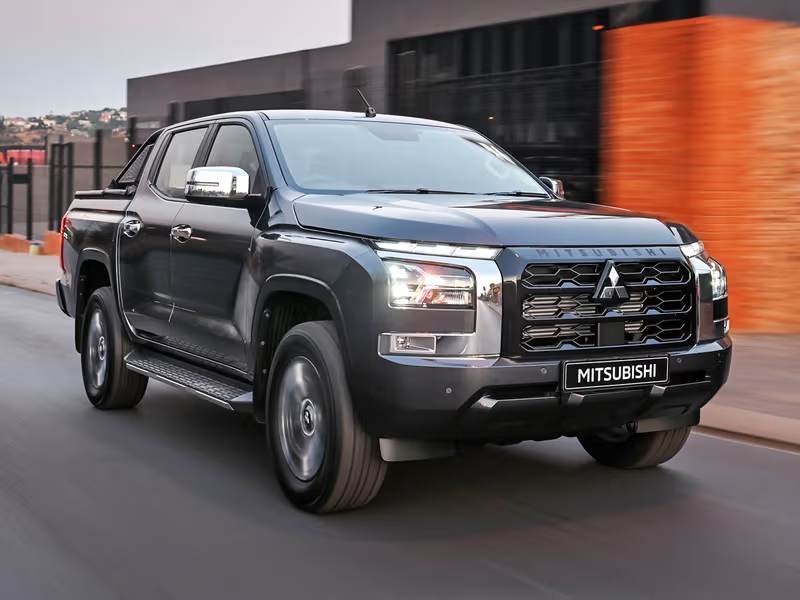
Mitsubishi rounded out the top five, with sales falling across much of its range. The Triton bakkie, once a strong performer, lost ground in a highly competitive segment dominated by newer rivals.
That said, models like the Outlander Sport helped cushion the fall, showing there is still appetite for Mitsubishi products when pricing and positioning align.
Maintenance advice: For bakkies and SUVs, inspect suspension and drivetrain components carefully, especially if the vehicle has been used for towing or off-road driving.
Other Automakers That Also Declined
Several other brands experienced smaller but still notable declines in 2025:
- Mazda: Down 12.4% to 2,652 units
- Porsche: Down 8.8% (estimated figures)
- Mercedes-Benz: Down 4.3% (estimated figures)
- Volkswagen Group Africa: Down 4.2%, the only top-10 automaker to decline
Despite these dips, the overall market remained healthy, highlighting how competitive the South African automotive landscape has become.
What This Means for South African Car Buyers
Sales declines are not always bad news for consumers. In many cases, they lead to:
- Better deals on new and used stock
- Improved aftersales incentives
- Stronger value in the pre-owned market
For buyers exploring future-focused mobility, EV24.africa offers import options for electric cars, expanding choices in sustainable transport as traditional brands adjust their strategies.
Frequently Asked Questions (FAQs)
Which automaker had the biggest sales decline in South Africa in 2025?
Proton recorded the largest percentage drop, with sales falling by 48.3% year on year.
Why did Nissan lose the most units overall?
The discontinuation of the NP200 bakkie removed a major source of volume, creating a gap Nissan could not fill in 2025.
Did any major brands in the top 10 decline?
Yes. Volkswagen Group Africa was the only top-10 automaker to record a year-on-year sales decline.
Does a sales decline mean a brand is unreliable?
Not necessarily. Sales trends are influenced by pricing, model availability, and market shifts, not just vehicle quality.
Are declining brands a good option on the used market?
Often yes, provided parts support remains strong and the vehicle has a full service history.
Where can I compare used cars from these brands?
You can compare a wide range of second-hand vehicles from multiple brands on auto24.co.za, including hatchbacks, SUVs, and bakkies.
Final Thoughts
While 2025 was a strong year overall for South Africa’s car market, these five automakers remind us that growth is rarely evenly distributed. Changing buyer preferences, product gaps, and pricing pressures continue to shape the industry.
For consumers, staying informed is key. Whether you’re buying new, shopping used, or exploring electric options, understanding market trends helps you make smarter decisions.