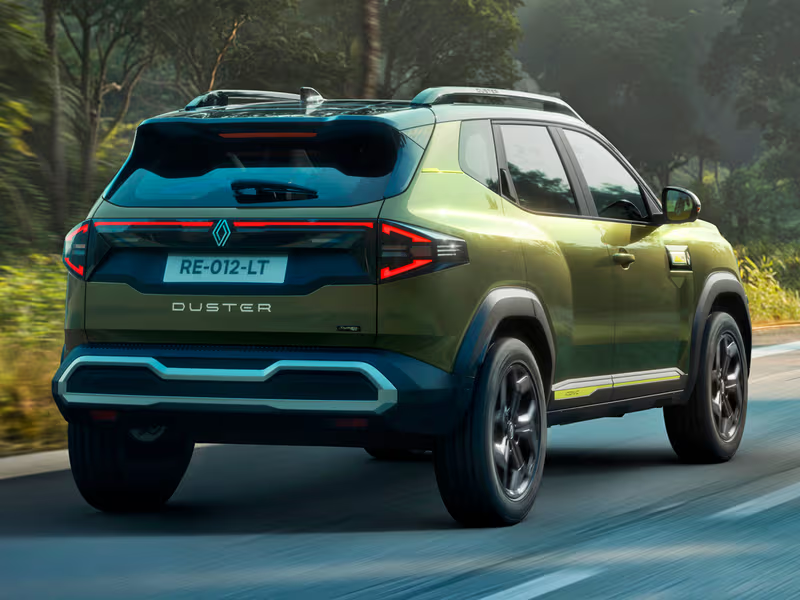
Renault South Africa has confirmed a significant change for one of its most popular compact SUVs. From 2026, the local market will transition from the current European-built Renault Duster to a new Indian-built version, sourced from Renault’s Chennai facility.
This move brings updated styling, a redesigned interior, and a wider range of powertrain options, while also opening the door to more competitive pricing. For South African buyers who value rugged practicality with everyday comfort, the switch is an important development worth understanding in detail.
For ongoing updates on this story and other local motoring news, you can read more here on imotonews.co.za, a trusted source for South African automotive news, reviews, and driving advice.
Why Renault Is Switching the Duster to Indian Production
The third-generation Renault Duster officially arrived in South Africa in early 2025, with initial units imported from Europe. However, Renault has now confirmed that the long-term plan is to source the Duster for South Africa from India instead.
The reasoning is simple. India has become a key global production hub for compact SUVs, offering strong manufacturing efficiency and access to modern platforms. By switching production to Chennai, Renault SA can potentially reduce costs, simplify supply chains, and better tailor the Duster to emerging-market needs, including South Africa’s.
According to Renault SA, the Indian-built Duster is expected to arrive locally in the latter part of 2026, subject to final specifications and pricing decisions.
Exterior Design Changes: Spotting the Differences
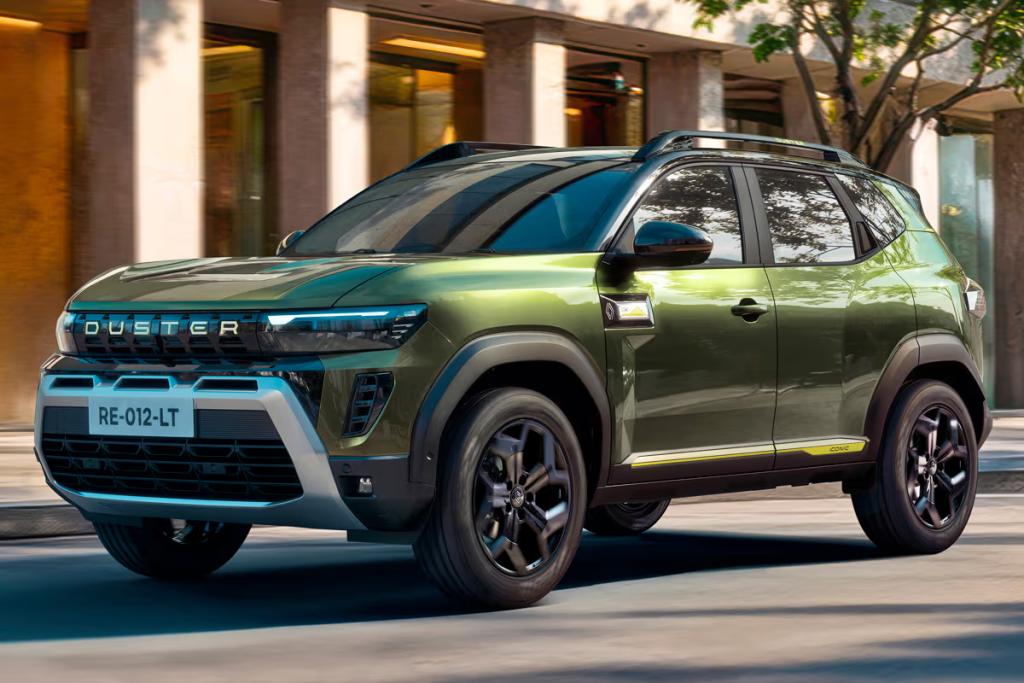
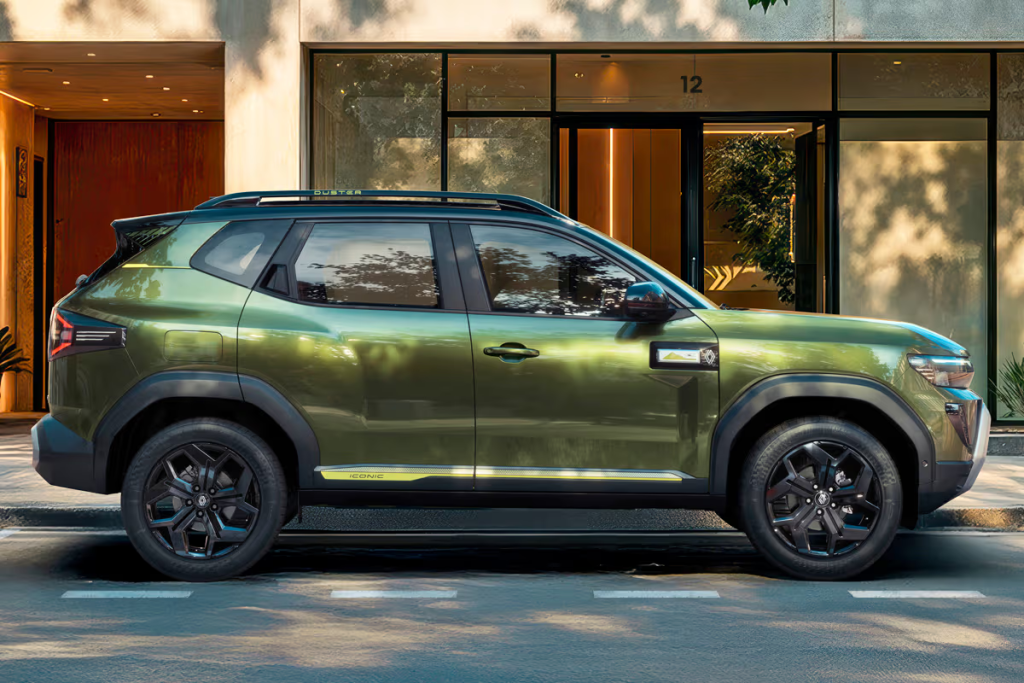
At first glance, the European and Indian versions of the Duster look closely related, but several styling updates set the Indian-built model apart.
Updated Front-End Styling
The Indian-built Duster features:
- Revised headlamps with a sharper lighting signature
- A redesigned grille that replaces “Renault” lettering with bold “Duster” branding
- A more rugged, reworked front bumper
These changes give the SUV a tougher, more upright look, aligning well with South African buyers’ preference for bold SUV styling.
Rear-End Tweaks and Dimensions
At the rear, the Indian version gains:
- A full-width LED light bar integrated into the taillamps
- A revised rear bumper for a more modern finish
In terms of size, both versions share a length of 4,343 mm and a 2,657 mm wheelbase, meaning interior space should remain largely unchanged. However, early indications suggest the Indian-built model may be slightly narrower, which could help with urban driving and parking.
Interior Upgrades: A Big Step Forward
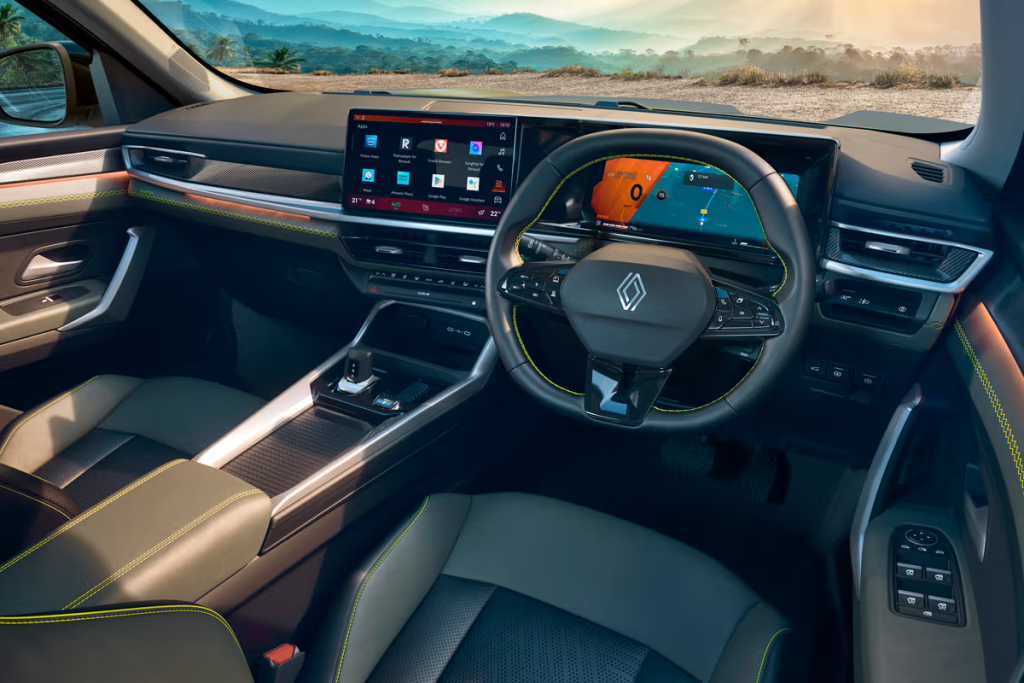
One of the most noticeable improvements comes inside the cabin.
New Twin-Screen Dashboard Layout
The Indian-built Renault Duster abandons the European model’s separated infotainment and instrument layout. Instead, it introduces a modern twin-screen setup, including:
- A central touchscreen infotainment system
- A fully digital driver display, measuring up to 10.25 inches on higher-spec models
This layout brings the Duster in line with newer rivals and improves overall usability.
Comfort and Practicality Enhancements
Depending on the final South African specification, buyers can also expect:
- Improved cabin materials
- Enhanced connectivity features
- A panoramic sunroof, which is available in the Indian market
For families and long-distance drivers, these updates should make the Duster feel more premium without losing its practical edge.
Powertrain Options: What Could Come to South Africa?
Powertrain choice is one of the biggest question marks surrounding the Indian-built Duster. While Renault has not yet confirmed which engines will be offered locally, the Indian lineup gives a clear indication of what’s possible.
Current South African Duster Engines
As a reference, the current Duster sold in South Africa offers:
- A 1.3-liter turbo petrol (113 kW / 250 Nm) with front-wheel drive and a 7-speed dual-clutch transmission
- A 1.2-liter turbo mild-hybrid (96 kW / 230 Nm) with all-wheel drive and a 6-speed manual gearbox
Engines Available on the Indian-Built Duster
The Indian model introduces three front-wheel-drive powertrains:
- 1.0-liter turbo petrol, producing 74 kW and 160 Nm, paired with a 6-speed manual gearbox
- 1.3-liter turbo petrol, upgraded to 120 kW and 280 Nm, available with either a 6-speed manual or dual-clutch transmission
- 1.8-liter traditional hybrid, delivering system outputs of 80 kW and 172 Nm, supported by two electric motors and a small battery
It remains unclear whether South Africa will retain an all-wheel-drive option. However, the introduction of a traditional hybrid could appeal strongly to buyers focused on fuel efficiency and lower running costs.
For drivers interested in exploring electrified mobility beyond hybrids, EV24.africa offers import options for electric vehicles, expanding choices for South Africans considering a move toward cleaner transport solutions.
Pricing Expectations and Market Positioning
The current Renault Duster range in South Africa is priced between R489,999 and R549,999. While official pricing for the Indian-built version has not yet been announced, the switch to Indian production could allow Renault to be more aggressive with pricing.
More competitive pricing would position the Duster more strongly against rivals such as the Toyota Corolla Cross, Haval Jolion, and Volkswagen Taigo, especially if Renault includes more features as standard.
What This Means for Buyers and Owners
Is It Worth Waiting for the Indian-Built Duster?
If you value the latest tech, updated styling, and potential hybrid options, waiting for the Indian-built Duster could make sense. The interior upgrades alone represent a noticeable improvement over the current model.
Considering the Used Market
For buyers who prefer proven hardware or want to save money, the current European-built Duster remains a solid option. To find second-hand cars suitable for South African conditions, check out auto24.co.za, where listings often include Renault Duster models alongside alternatives like the Toyota RAV4, Nissan Qashqai, and Hyundai Tucson.
Comparing used options can help buyers decide whether to buy now or wait for the updated version.
Nissan Tekton: A Close Relative on the Way
An interesting side note to this story is Nissan’s upcoming Tekton SUV. The Tekton will be based on the same platform as the Indian-built Duster and will also be manufactured in Chennai.
Positioned as a more affordable replacement for the discontinued Nissan Qashqai, the Tekton is expected to launch in South Africa in late 2026. This shared platform strategy highlights how important the Indian-built Duster architecture will be for both Renault and Nissan in the region.
Practical Ownership Tips for Future Duster Buyers
Even before final specifications are confirmed, there are some practical considerations worth keeping in mind:
- Service intervals: Stick to manufacturer-recommended maintenance schedules to ensure long-term reliability
- Fuel quality: Turbocharged engines perform best with consistent fuel quality, especially under load
- Tyres and alignment: Regular tyre checks are essential, particularly if the Duster is used on gravel roads
- Software updates: Modern infotainment systems benefit from periodic updates, improving performance and connectivity
These small steps can significantly improve ownership satisfaction over time.
Frequently Asked Questions About the Indian-Built Renault Duster
How will the Indian-built Duster differ from the European version?
The Indian-built model features updated exterior styling, a redesigned interior with a twin-screen layout, and new engine options, including a traditional hybrid.
When will the Indian-built Duster arrive in South Africa?
Renault SA expects it to be introduced in the latter part of 2026, subject to approvals and final specifications.
Will the new Duster be cheaper?
Pricing has not been confirmed, but local production sourcing from India could allow Renault to position the Duster more competitively.
Will South Africa get the hybrid version?
Renault has not yet confirmed this, but the hybrid option is a strong possibility given market trends.
Is the current Duster still a good buy?
Yes. The current European-built Duster remains capable, reliable, and well-suited to South African roads.
How is the Nissan Tekton related to the Duster?
The Tekton is based on the same platform as the Indian-built Duster and will be produced in the same factory.
Conclusion: A Strategic Upgrade for the Duster in South Africa
The switch to an Indian-built Renault Duster marks an important evolution for the nameplate in South Africa. With fresher styling, a more modern cabin, and the potential for hybrid technology, the updated Duster is shaping up to be more competitive than ever.
For buyers, the choice will come down to timing and priorities. Whether buying now or waiting for the 2026 model, the Duster remains a practical, versatile SUV that continues to adapt to South African needs.