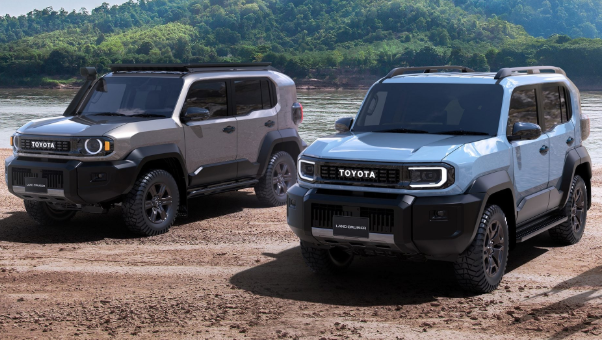
The Toyota Land Cruiser FJ has finally landed in South Africa, bringing a fresh, retro-flavoured take on one of the country’s most trusted off-road nameplates. It’s a vehicle that tries to do two jobs at once: look good doing the school run in the suburbs, and still hold its own when the tar runs out. We spent extensive time behind the wheel of the range-topping VX derivative to find out whether it manages to pull off that balancing act.
Where the FJ Slots Into the Market
The FJ has been positioned as a smaller, more affordable, and more characterful entry point into the wider Land Cruiser family. Pricing starts at R714 000 for the entry-level GX and climbs to R761 400 for the flagship VX tested here, putting it in direct competition with a growing list of rugged, well-equipped rivals such as the GWM Tank 300.
Underneath the retro bodywork, the FJ uses a proper ladder-frame chassis and a low-range transfer case, so it’s built to handle genuine off-road work. In practice, though, most owners will spend the bulk of their time in city traffic and on weekend getaways rather than deep in the bush, which shapes a lot of how this vehicle should be judged.
Design and Interior Packaging
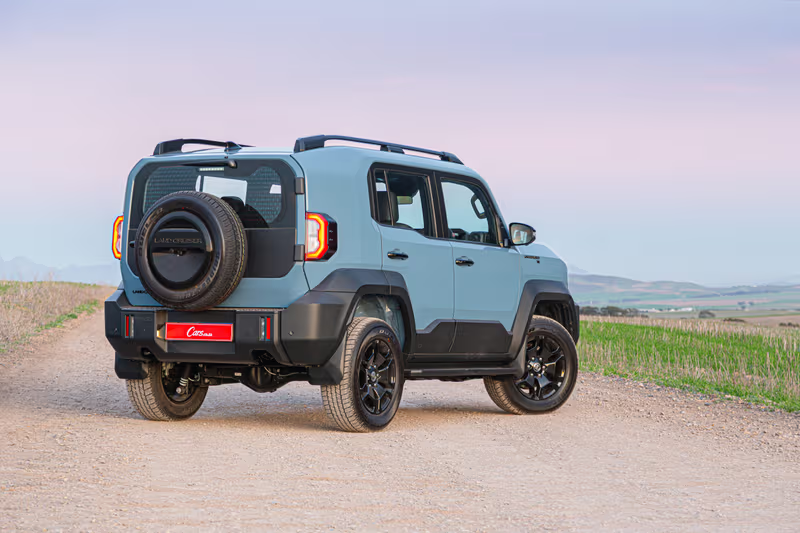
Styling is always subjective, but there’s no denying the FJ makes a statement. Its boxy, chunky shape has already drawn comparisons to an oversized toy truck, and the rear of the vehicle looks slightly abrupt in profile. Love it or not, it’s genuinely unlike anything else currently sold in South Africa.
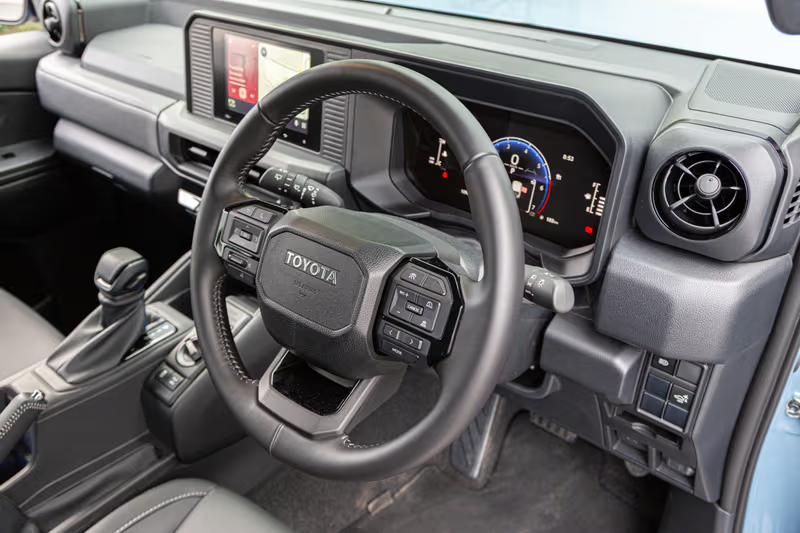
Inside, the cabin blends tough, wipe-clean surfaces with more modern comfort touches. You’ll find rugged off-road switchgear and a traditional handbrake lever sitting alongside newer safety tech like adaptive cruise control.
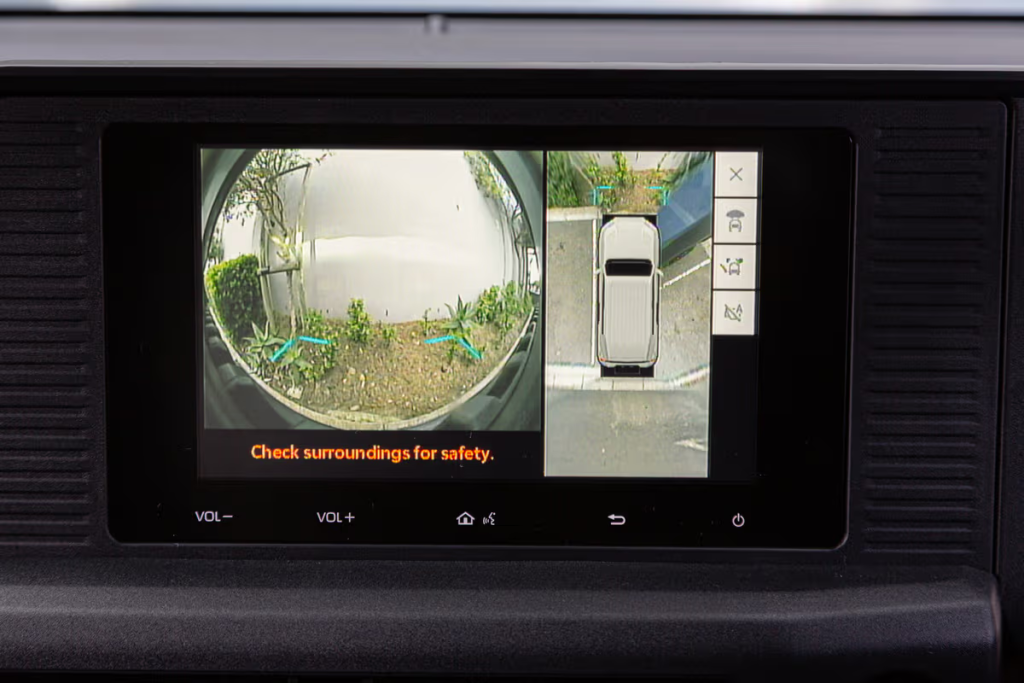
Where the FJ falls short is in technology. The standard 8-inch infotainment screen feels small and dated by 2026 standards, with graphics that lack sharpness. The reverse camera doesn’t fare much better, as its view is partially blocked by the tailgate-mounted spare wheel. A larger 12.3-inch touchscreen is available as a R12 000 option, though many buyers will wonder why it isn’t fitted as standard at this price. Features like electric seats, a wireless phone charger, and a sunroof are also missing from the spec sheet entirely.
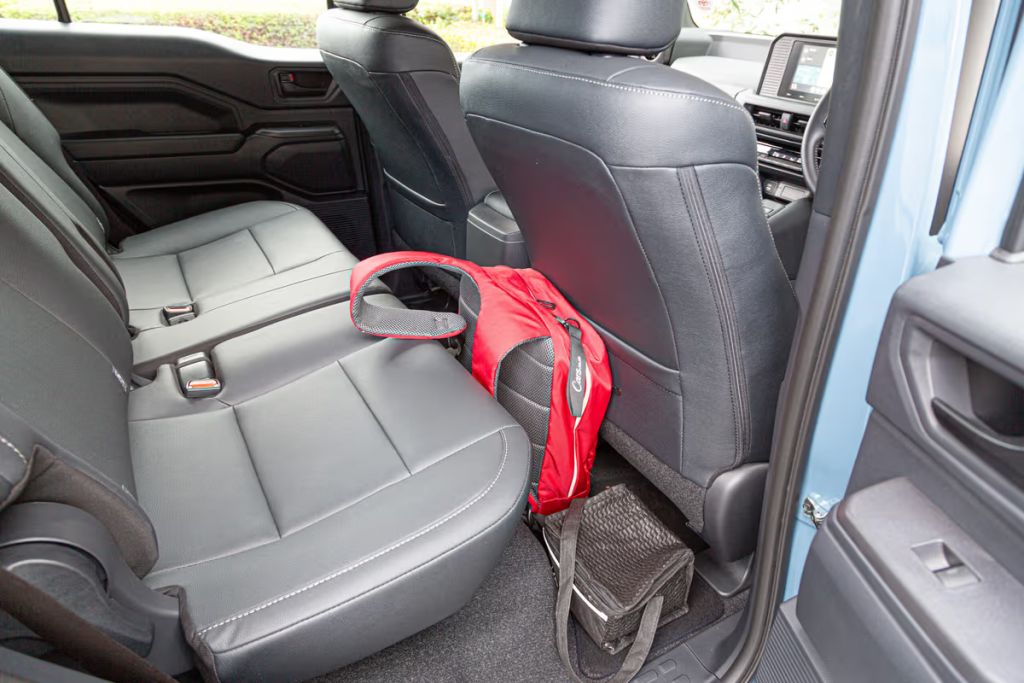
Rear seat space is on the tight side, too. Taller occupants may find headroom limited, a knock-on effect of the raised seating position created by the ladder-frame platform, and legroom is snug when a similarly sized driver is up front. Rear passengers only get a single 12V socket, with no USB or 220V plug points on offer.
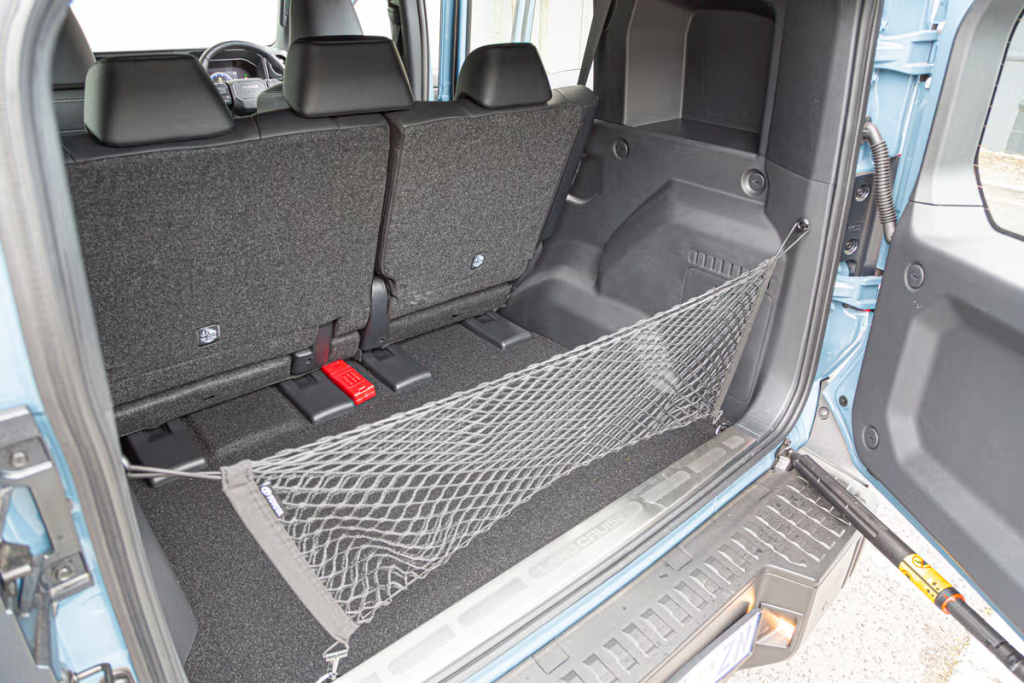
The boot itself is deep and practical, complete with a floor net and sturdy skid plates. However, there’s no standard parcel shelf or tonneau cover to keep bags and valuables out of sight, which is a real concern for security-conscious South African buyers. The rear seats also only fold forward rather than flat, leaving an awkward step in the load area.
Performance and Fuel Efficiency
Power comes from a 2.7-litre naturally aspirated four-cylinder petrol engine putting out 122 kW and 245 Nm, paired with a 6-speed automatic gearbox. It’s a combination that feels perfectly adequate around town but starts to show its age once speeds climb. Overtaking on the highway requires planning and patience, with the FJ topping out at a modest 165 kph.
That extra engine effort comes at a cost in the form of heavy fuel consumption. Expect around 15.0 L/100 km in city driving, improving to roughly 12.0 L/100 km on a relaxed open-road cruise. Paired with a 63-litre tank, the realistic touring range sits at approximately 500 km between fill-ups, something worth factoring in for longer road trips.
Payload is another figure to watch closely. With a tare mass of approximately 2,025 kg against a gross vehicle mass (GVM) of 2,500 kg, the FJ only has 475 kg of legal carrying capacity. Once you’ve loaded up four or five adults, there’s little to no allowance left for camping gear, roof-rack cargo, or a full boot of luggage, so this is very much a lifestyle-oriented vehicle rather than a heavy-duty overlander.
Quick Car Care Tip
If you’re planning to use your FJ (or any body-on-frame SUV) for regular off-road outings, it’s worth checking your GVM and payload figures before every trip. Overloading not only affects handling and braking performance but can also accelerate wear on suspension components and tyres over time.
Ride, Handling, and Everyday Comfort
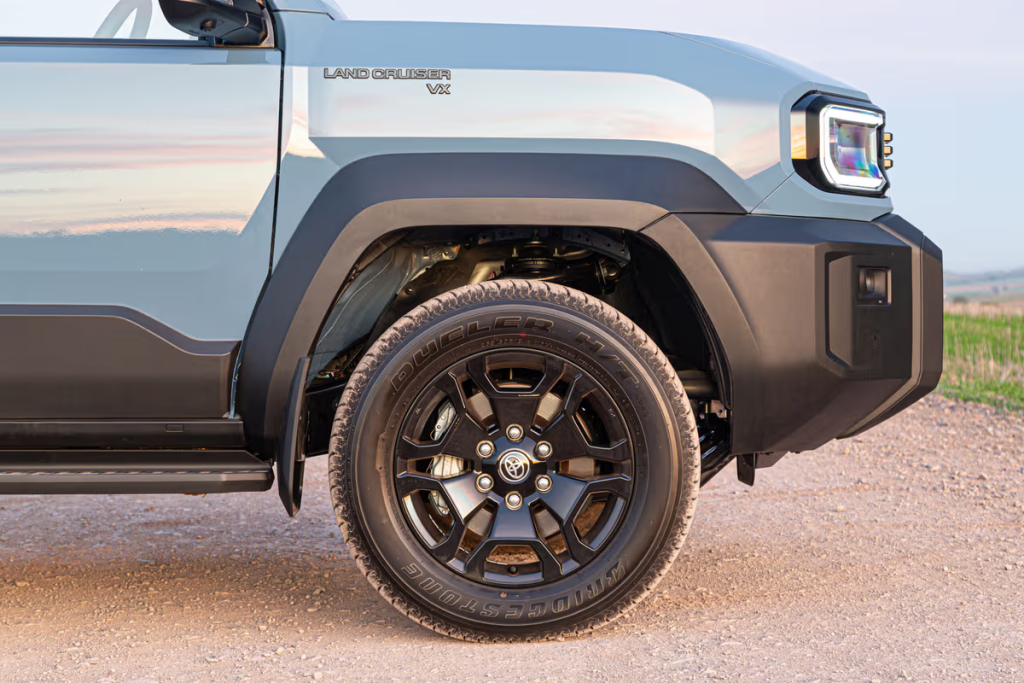
Despite the unrefined engine, the FJ genuinely impresses when it comes to on-road manners. At idle and low urban speeds, it’s remarkably hushed inside the cabin. Wind noise from the upright windscreen pillars and large mirrors becomes noticeable at highway speeds, but road noise from the chunky all-terrain tyres is well contained.
The trade-off for its rugged underpinnings is a slightly firm, bakkie-like ride over sharp bumps and potholes, typical of body-on-frame construction. That said, the suspension tuning does a good job of soaking up most imperfections, and cornering composure is better than expected, with minimal body roll for a vehicle of this type.
Pricing, Warranty, and After-Sales Support
Buyers get a 3-year/100 000 km warranty alongside a 9-service/90 000 km service plan, plus 25GB of complimentary Wi-Fi for the first 12 months.
- Toyota Land Cruiser FJ 2.7 4×4 GX – R714 000
- Toyota Land Cruiser FJ 2.7 4×4 VX – R761 400
Pricing correct as of July 2026.
Verdict
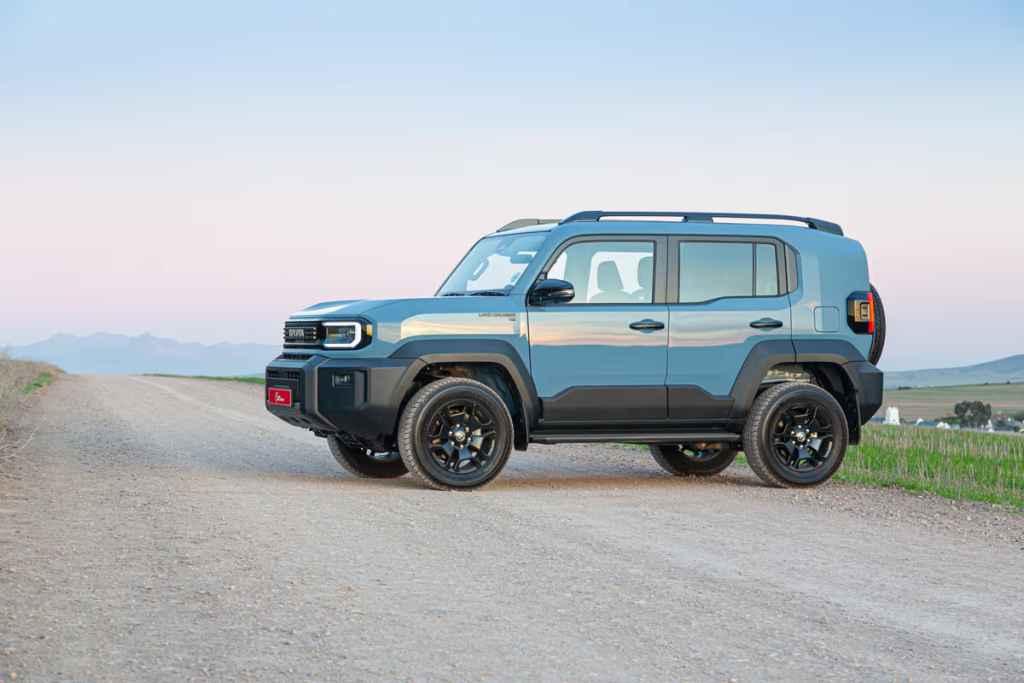
The Land Cruiser FJ succeeds in being a comfortable, well-mannered, and genuinely eye-catching addition to Toyota’s off-road line-up, backed by a drivetrain with a strong reputation for reliability and healthy resale values. As a stylish everyday cruiser with real off-road credentials in reserve, it has plenty going for it.
Where it stumbles is in outright efficiency and outright practicality, with a thirsty engine and a restrictive payload limiting its appeal for serious overlanding or long-distance touring. Buyers with those needs may want to hold out to see whether Toyota eventually brings a turbodiesel version to market.
Thinking About Buying New or Used?
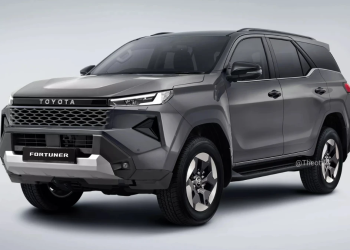
If the FJ’s price tag is a stretch, or you’d simply prefer something with a track record already established, it’s worth browsing auto24.co.za for second-hand SUVs and off-roaders suited to South African conditions. Older Land Cruiser models, along with rugged alternatives from brands like Toyota’s own Fortuner range, regularly show up in local listings and can offer excellent value while you decide whether the new FJ is worth the wait.
For readers curious about where the market is heading beyond petrol and diesel, EV24.africa offers import options for electric vehicles, giving South African drivers a way to explore sustainable mobility choices that go beyond what’s currently available through mainstream dealer networks.
Discover additional tips and read more here on the latest new-vehicle launches and ownership advice for South African drivers.