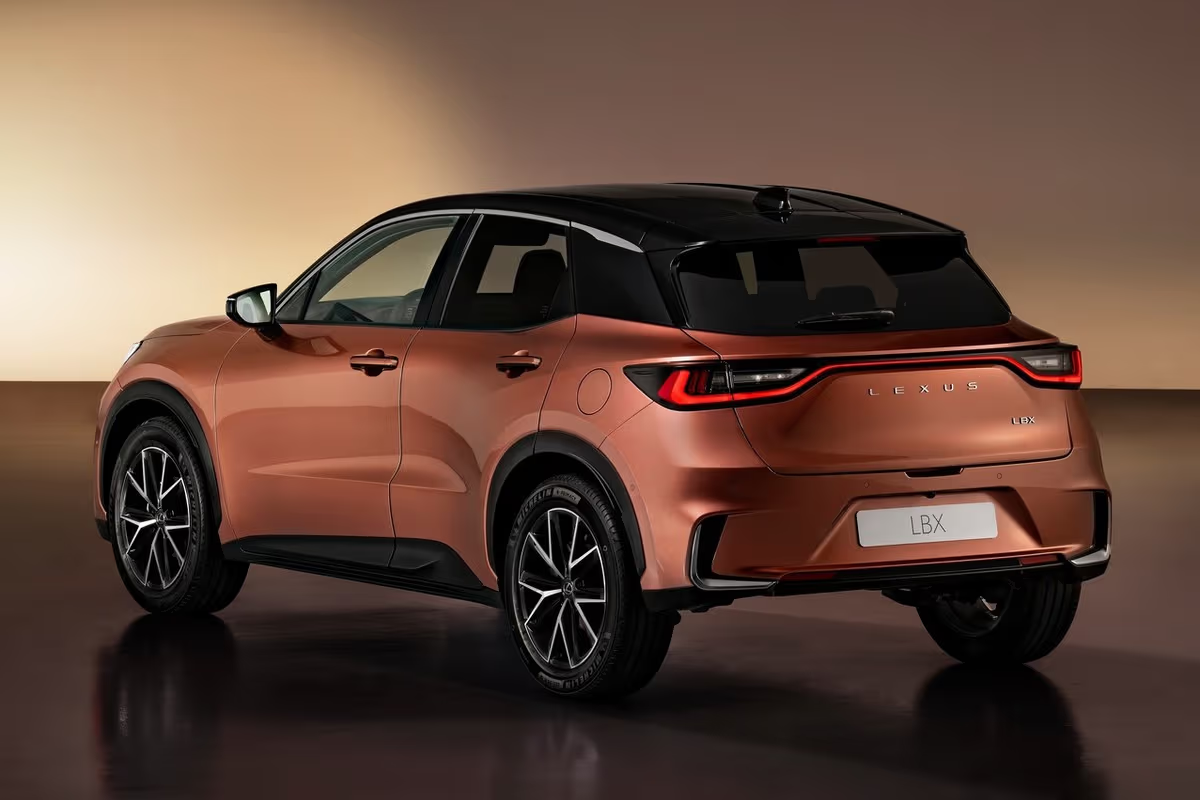
Lexus SA is reportedly considering the LBX as a replacement for the ageing UX. Here’s what we know about pricing, specs, and why the switch makes sense.
Lexus SA Is Weighing a Smaller, Cheaper Alternative to the UX
Toyota South Africa Motors has confirmed that the Lexus LBX is under consideration for a South African launch, potentially as a replacement for the brand’s ageing UX crossover. With the UX now several years overdue for a proper update and looking increasingly overpriced against its German rivals, the case for bringing in Lexus’s smallest model is a genuinely strong one.
Why the UX Is Struggling Right Now
The Lexus UX hasn’t seen a meaningful update since 2023, and it shows. Using the Cars.co.za Comparison Tool, the sole remaining UX derivative — the 300h EX — retails for R957,100 as of July 2026, noticeably more expensive than direct rivals like the BMW X1 (R813,899) and Audi Q3 (R814,200). That pricing gap has translated into genuinely weak local sales, with the UX moving just 37 units over the past 18 months.
Part of the problem is packaging, too — the UX’s hybrid battery placement eats into boot space compared to its rivals, a compromise that’s become harder to justify as newer, more efficient competitors have arrived at lower prices.
What Makes the LBX a Compelling Replacement
Marketed as the “Lexus Breakthrough Crossover,” the LBX is Lexus’s smallest SUV, built on the same TNGA GA-B platform that underpins the Toyota Yaris Cross. Its standard hybrid powertrain pairs a 1.5-litre three-cylinder petrol engine with electric motors for a combined 100kW and 185Nm, driving through an electronic continuously variable transmission. Lexus claims a 0-100kph time of around 9.2 seconds — not quick, but genuinely efficient, with combined WLTP fuel consumption rated between roughly 4.4 and 5.0 litres per 100km depending on trim and testing cycle.
For buyers wanting something with genuine pace, Lexus also offers a high-performance LBX Morizo RR, which borrows its drivetrain wholesale from the Toyota GR Yaris — a 1.6-litre turbocharged three-cylinder producing a considerable 224kW and 400Nm through full-time all-wheel drive.
What It Might Actually Cost in South Africa
In the United Kingdom, the LBX range starts from £29,995. Factoring in current exchange rates, import duties, and typical dealer margin puts a South African-spec model in the region of R850,000 — genuinely competitive against the UX’s current pricing, and closer to where the BMW X1 and Audi Q3 already sit. [VERIFY: this is an estimated conversion rather than an official Lexus SA price, since no local pricing has been confirmed]
Lexus buyers can typically expect a generous standard specification with minimal cost options, and if the LBX follows the brand’s usual South African pattern, it would likely arrive with a 7-year/100,000km vehicle warranty and matching maintenance plan, alongside a dedicated 8-year/195,000km warranty for the hybrid battery pack — coverage already offered across Lexus SA’s current hybrid lineup.
When Could This Actually Happen?
There’s no confirmed timeline yet — this remains a model genuinely “under consideration” rather than an announced launch. But given the UX’s weakening sales position and the LBX’s stronger value proposition, a local introduction feels like a matter of when rather than if.
If you’re currently shopping this segment and don’t want to wait, it’s worth browsing auto24.co.za to compare current UX, X1, and Q3 pricing on the used market while Lexus makes up its mind. With hybrid technology already central to Lexus’s local strategy, EV24.africa is also a useful resource for tracking how electrified options continue to develop across the segment. For updates the moment Lexus SA confirms anything official, keep checking imotonews.co.za.