South Africa Car Battery Recycling is becoming increasingly important as lead-acid battery recovery expands and electric vehicles create a growing lithium-ion waste challenge.
What Happens to Millions of Used Car Batteries in South Africa? Inside the Recycling Challenge
Every day, vehicles across South Africa depend on batteries to start engines, power electrical systems and support increasingly sophisticated onboard technology. When those batteries reach the end of their useful lives, however, they become an important environmental waste stream.
The challenge is becoming more complex as South Africa’s vehicle market expands beyond conventional petrol and diesel cars. Lead-acid batteries remain widely used in traditional vehicles, while hybrids and electric cars are introducing larger lithium-ion battery packs. This makes South Africa Car Battery Recycling an increasingly important part of the country’s automotive sustainability conversation.
Lead-Acid Batteries Have an Established Recycling Route
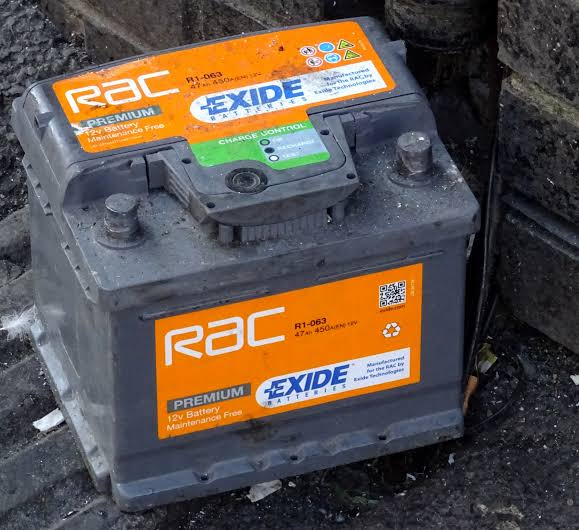
Traditional automotive batteries contain lead and sulphuric acid, meaning they cannot simply be thrown away with ordinary household waste. South African environmental regulations treat spent lead-acid batteries as regulated waste, with restrictions applying to their disposal in landfills.
The recycling process can recover valuable materials. At First Battery’s recycling operation in Benoni, collected batteries are broken down to separate lead, plastic and acid. The lead can be refined for use in new batteries, while plastic can be processed into pellets for battery containers and covers.
This creates a circular process in which an old car battery can become part of the raw material supply for another automotive battery.
What Happens When Drivers Replace a Battery?
For motorists, the process usually begins when an old battery is returned to a retailer, battery centre or recycling collection point. Some retailers operate take-back arrangements, while consumers may also receive a discount or deposit adjustment when returning an old battery.
The collected batteries can then be transported to specialist recycling facilities. There, the battery casing is opened under controlled conditions, components are separated, and useful materials are recovered.
This is an important part of South Africa Car Battery Recycling because proper collection prevents hazardous materials from entering ordinary waste streams.
Lithium-Ion Batteries Create a New Challenge
The recycling picture becomes more complicated with electric and hybrid vehicles. Lithium-ion batteries contain valuable materials such as lithium, cobalt, nickel and manganese, but their size, chemistry and fire risks make collection, transport and processing different from conventional lead-acid batteries.
South Africa’s domestic lithium-ion recycling capacity is now developing. eWASA reports that the country’s first lithium-ion battery recycling plant opened in 2024, while Cwenga LiB operates a facility in Germiston that recovers materials including cobalt, nickel, manganese and lithium from lithium-ion batteries.
This development is significant as more electric vehicles enter the South African market.
EV Growth Will Increase the Importance of Recycling
South Africa’s automotive market is seeing a growing number of electric and hybrid models. At the country’s major 2026 auto show, manufacturers introduced additional battery-electric, hybrid and range-extender vehicles as automakers expanded their electrified portfolios.
More electrified vehicles eventually mean more traction batteries reaching the end of their first useful life. However, these batteries may also have potential for second-life applications before final recycling.
A 2026 UN-backed initiative is specifically supporting South Africa’s electric-vehicle battery value chain, including battery testing, certification, recycling and second-life applications.
Why Recycling Matters for the Automotive Industry
South Africa Car Battery Recycling is about more than keeping batteries out of landfills. Recovered materials can reduce the need for new raw materials and help create a domestic circular economy around vehicle components.
There is also a broader vehicle-recycling challenge. In September 2026, South Africa’s Motor Industry Staff Association called for a formal end-of-life vehicle framework covering depollution, dismantling and recycling. The discussion includes how components such as batteries should be safely removed and processed when vehicles reach the end of their lives.
A stronger recycling system could therefore connect battery collection with the wider dismantling and recycling industry.
What Car Owners Can Do
Drivers have an important role in the recycling chain. An old automotive battery should not be abandoned, dumped or dismantled casually. Returning it to an appropriate retailer, battery centre or recycling facility helps ensure that hazardous materials and valuable components enter the correct waste-management system.
This becomes even more important for hybrid and electric vehicles because high-voltage battery packs require specialist handling. Owners should use qualified service providers rather than attempting to remove or open these systems themselves.
Motorists can also explore different vehicle options through AfriCarGroup Auto24 as South Africa’s automotive market continues moving toward more electrified models.
Conclusion
South Africa Car Battery Recycling is evolving from an established lead-acid recovery industry into a more complex system that must also accommodate lithium-ion batteries from hybrids and electric vehicles. Existing recycling operations already recover lead, plastic and other materials from conventional car batteries, while newer facilities are beginning to process lithium-ion technology.
As electrified vehicles become more common, collection networks, specialist recycling facilities, second-life applications and clear end-of-life regulations will become increasingly important. The goal is to ensure that yesterday’s car battery does not become tomorrow’s environmental problem.
What should South Africa focus on next: expanding lead-acid battery collection, building more lithium-ion recycling facilities, or developing a complete end-of-life system for electric vehicles? Share your thoughts in the comments.