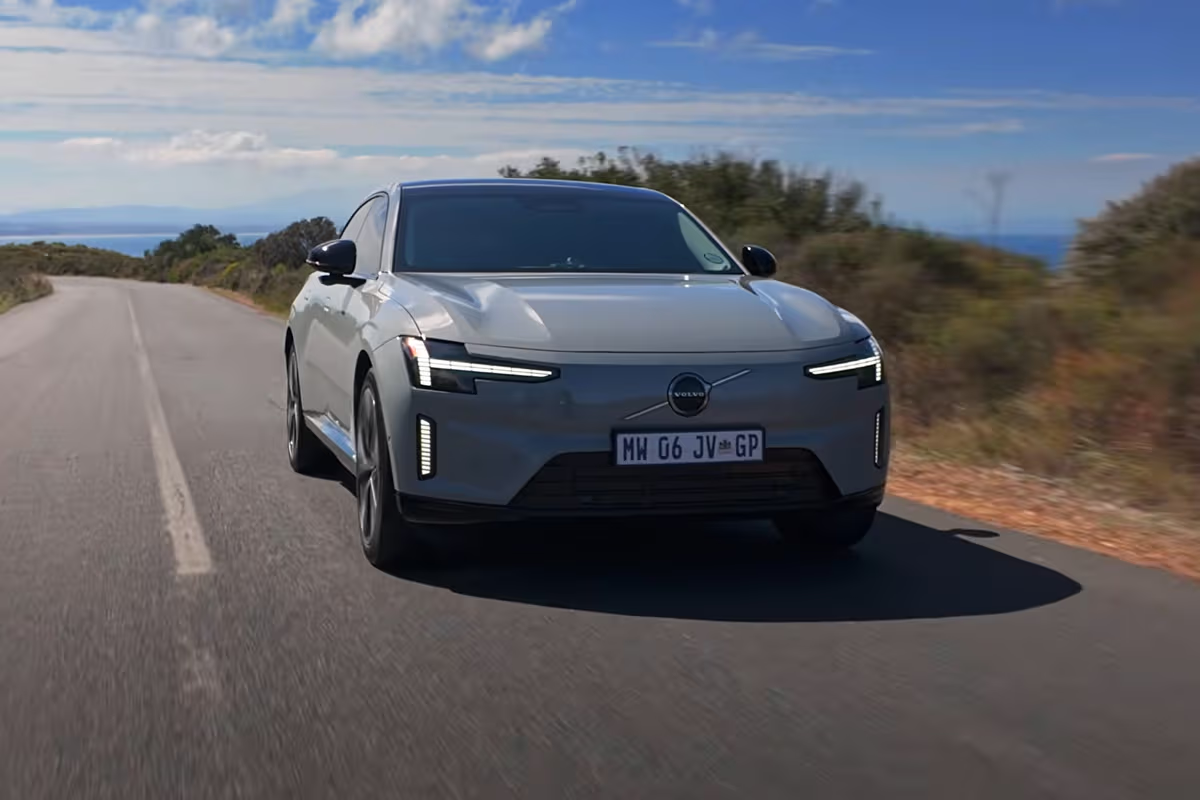
Volvo’s electric ES90 sedan lands in SA priced from R1.59m. We review real-world range, cabin quality, and whether it beats German rivals.
Sedans Are Dying, So Why Did Volvo Bet on One?
While every other premium brand chases SUV sales, Volvo just launched an electric sedan into a shrinking segment. The Volvo ES90 arrived in South Africa in March 2026 as a genuinely unusual proposition: a fastback-styled, all-electric flagship aimed squarely at buyers who’d normally be cross-shopping a BMW i5. We spent time with it to see whether that bet actually pays off.
Quick Verdict
We like: Genuinely impressive real-world efficiency; a hushed, refined cabin; supremely comfortable air suspension ride on the Ultra; strong standard luxury and safety specification.
We don’t like: The infotainment system buries basic controls — even mirror adjustment — inside digital menus; taller rear passengers sit with knees slightly raised due to the under-floor battery; larger alloy wheel options aren’t ideal on pothole-prone roads.
If effortless long-distance cruising and cabin serenity matter more to you than outright driving thrills, the ES90 is a genuinely compelling alternative to the usual German executive-sedan shortlist.
What Does R1.59 Million to R1.79 Million Actually Buy You?
The ES90 range starts at R1,590,000 for the entry-level Core, R1,655,000 for the Plus, and tops out at R1,795,000 for the flagship Ultra we tested. All three derivatives share the same drivetrain, so the price climb buys you comfort and technology rather than extra performance — the Ultra adds adaptive air suspension as standard, which noticeably changes the car’s ride character over the lower trims.
Ownership costs are backed by a properly comprehensive package too: a 5-year/100,000km vehicle warranty, an 8-year/160,000km battery warranty, and a matching 5-year/100,000km maintenance plan — reassuring cover for a car this technologically ambitious.
Fastback Looks With an SUV’s Ride Height
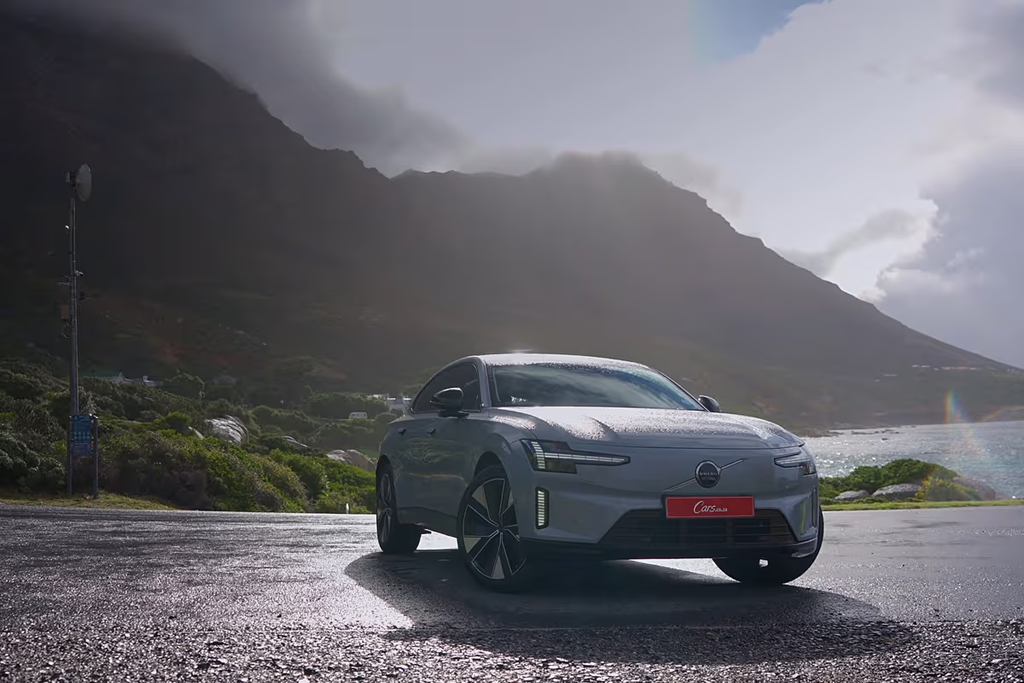
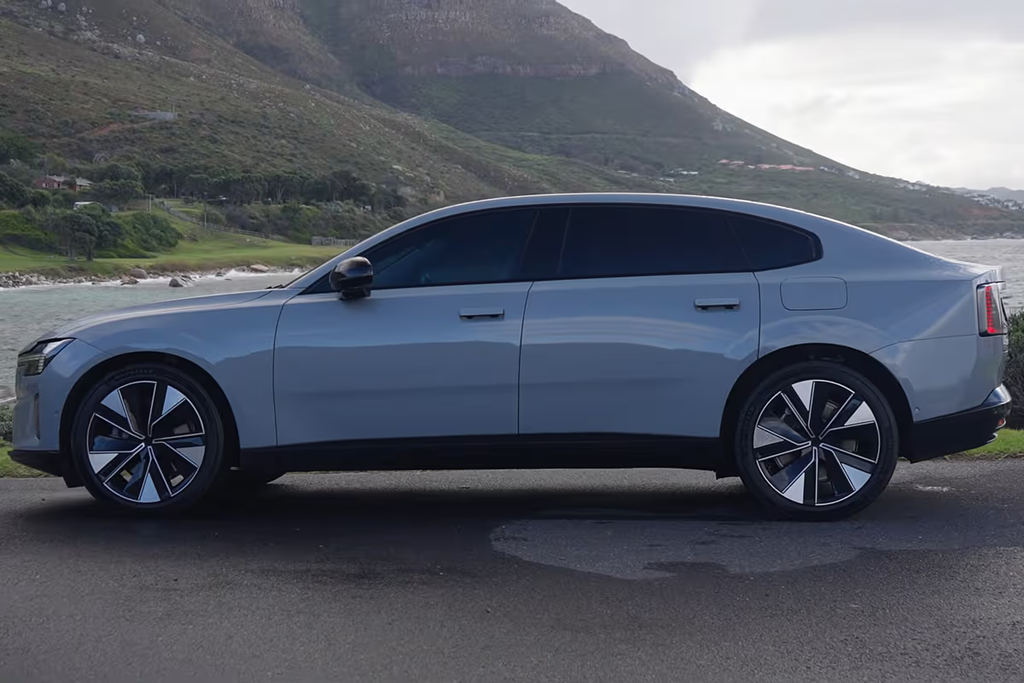
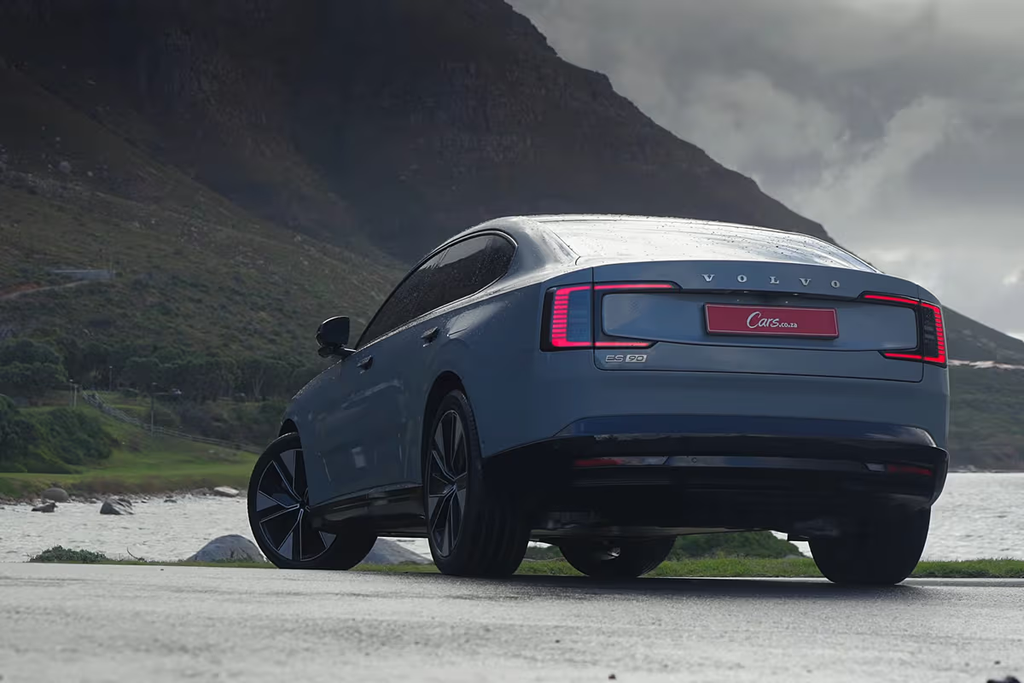
Rather than a traditional three-box sedan shape, the ES90 wears a sloped fastback roofline with a notably raised stance for the segment — it presents as sedan-like in profile but with SUV-levels of ground clearance, a deliberate departure from Volvo’s old S90. Signature “Thor’s Hammer” LED headlights and flush door handles round out the exterior, both functional aero touches and clear brand identity markers.
Inside, the cabin leans hard into Scandinavian minimalism — open-pore wood, brushed metal accents and sustainable upholstery replace the usual glossy trim you’d expect at this price point. It’s a calmer, less showy execution than most German rivals attempt, and it works.
How Far Will It Actually Go on One Charge?
Range is where the ES90 makes its strongest case. Volvo claims a WLTP figure of 755km, and while lab claims rarely translate directly to the road, this one’s built on genuinely efficient underpinnings — the ES90 runs Volvo’s 800-volt SPA2 architecture, with a claimed WLTP consumption of 15.9 kWh/100km that felt believable during launch testing.
Charging speed matches the range ambition. On a suitably fast public charger, Volvo says the ES90 can add roughly 300km of range in just 10 minutes, and recharge from 10% to 80% in as little as 25 minutes on a 350kW DC charger. For context, that’s genuinely competitive with the fastest-charging EVs sold in South Africa today, regardless of price bracket.
Living With the Cabin: Beautiful, But Buried in Menus
The dashboard is dominated by a portrait touchscreen running Google’s native automotive software, complete with Google Maps and live traffic baked in. It’s slick and responsive, but Volvo has pushed almost everything — including side-mirror adjustment and glovebox release — into that same screen. If you’re someone who wants a physical button for the basics, expect an adjustment period.
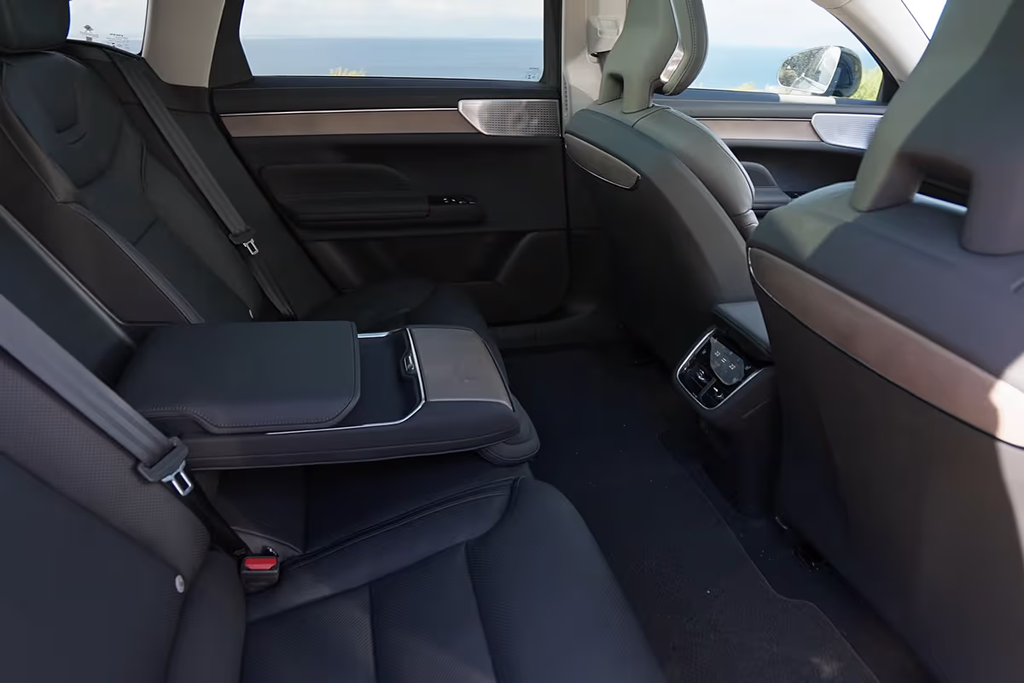
Space up front is generous, helped by a long wheelbase. Rear passengers get plenty of legroom too, though the trade-off of housing the battery under the floor is a slightly raised footwell — taller rear occupants will notice their knees sitting a touch higher than ideal on longer trips.
How It Drives: Built for Cruising, Not Cornering
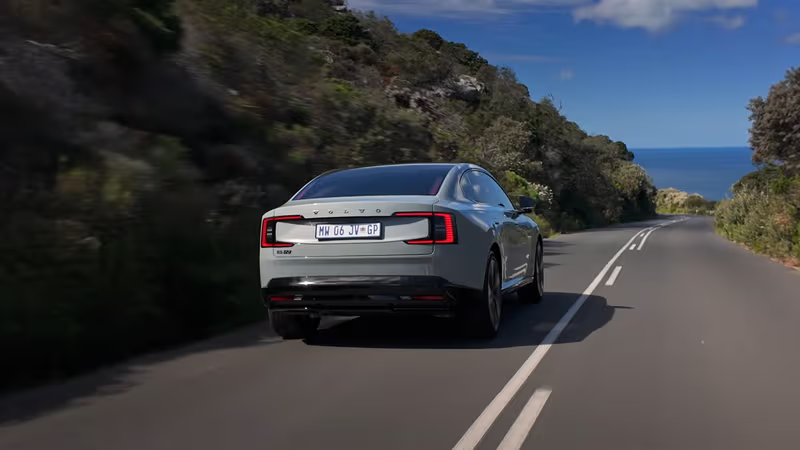
This isn’t a car that wants to be hustled through corners, and it doesn’t pretend otherwise. Steering is light and unhurried, clearly tuned for effortless highway cruising rather than driver engagement. Where it excels is refinement — with no engine noise to mask road and wind sound, Volvo has clearly worked hard on cabin isolation, and it shows in just how quiet the ES90 feels at speed, especially on the Ultra’s air suspension.
Who Should Actually Buy This?
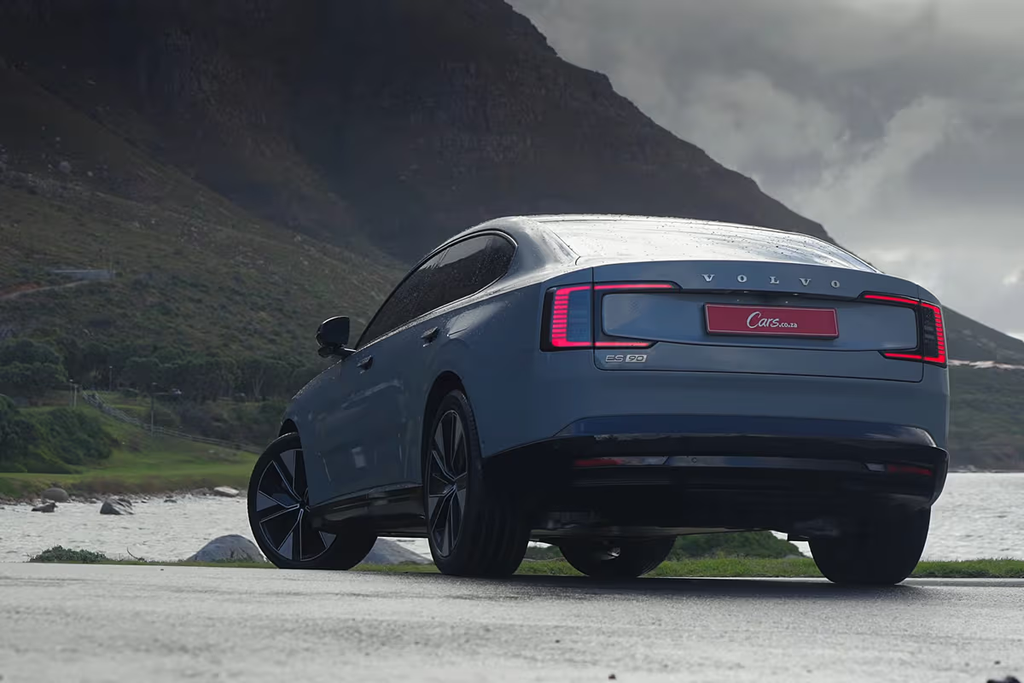
The ES90 isn’t chasing outright performance numbers, and that’s precisely the point. It’s a genuinely well-resolved answer to “what does an electric luxury sedan look like when you prioritise range, quiet, and comfort over horsepower bragging rights.” For buyers ready to step into the electric executive segment, it’s a serious, well-specified option — even if that segment remains a small one in South Africa for now.
If you’re weighing up whether now’s the right time to go electric at this level, it’s worth browsing EV24.africa for a broader view of what’s arriving in the local EV market before committing. And if a used premium sedan is more within your budget, auto24.co.za is a good place to compare pricing on combustion-engine alternatives in this bracket. For more independent local reviews, keep checking imotonews.co.za.