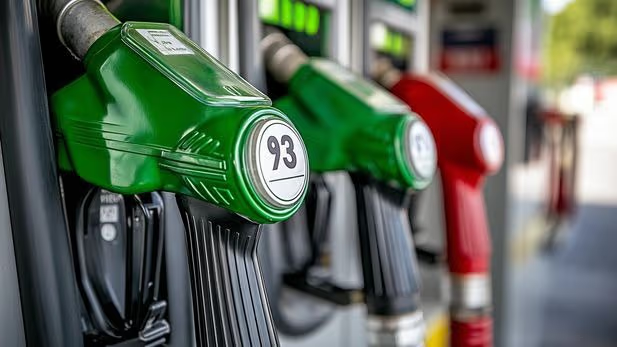
South African drivers are heading into July with some genuinely good news at the pumps. Despite a scheduled tax increase kicking in at the same time, steep drops in global fuel costs mean motorists will still pay significantly less for petrol and diesel this month. Here’s a full breakdown of what’s changed, why it happened, and what it means for your monthly budget.
What’s Changing and When
The new fuel prices took effect at midnight on Wednesday, 1 July 2026, as confirmed by the Department of Mineral and Petroleum Resources (DMPR). The final adjustments turned out even better for consumers than earlier mid-month projections suggested, delivering a welcome boost to household disposable income right as many South Africans are dealing with rising costs elsewhere.
For an economy where fuel costs ripple through nearly every sector, from public transport fares to the price of groceries on supermarket shelves, a drop of this size at the pumps is expected to ease pressure well beyond just the cost of filling up your tank.
The General Fuel Levy Comes Back Into Play
To understand why this price drop is so significant, it helps to look at what was working against consumers this month. National Treasury’s temporary relief on the General Fuel Levy (GFL) officially came to an end, automatically reinstating R1.50 per litre on petrol and R1.96 per litre on diesel.
Under normal circumstances, a tax increase of that scale would typically push pump prices sharply higher. Instead, that increase was completely absorbed, and then some, by favourable movements elsewhere in the pricing formula.
Why Prices Still Dropped: Global Oil and a Stable Rand
The biggest driver behind July’s price relief was a sharp fall in international Brent Crude oil prices, which slipped into the mid-$70 per barrel range. This followed the reopening and stabilisation of shipping routes through the Strait of Hormuz, easing global supply concerns that had been keeping oil prices elevated.
As international crude prices fell, so did the cost of refined petroleum products on the global market, creating what’s known in the industry as an “over-recovery,” essentially a build-up of savings that gets passed on to consumers at the next price adjustment.
Helping matters further, the South African Rand held a stable trading position against the US Dollar throughout the review period. Since fuel is priced in dollars before being converted to rand-based pump prices, currency stability meant none of the international savings were eroded by exchange rate volatility. Together, cheaper crude oil and a steady rand were more than enough to offset the reintroduced fuel levy.
A Smaller, Often-Overlooked Factor: The Slate Levy Cut
Alongside the bigger international story, there was a smaller structural adjustment that also worked in consumers’ favour. The DMPR confirmed the slate levy balance has been reduced from 157.74 cents per litre down to 113.94 cents per litre, handing back an additional 43.80 cents per litre in savings. While it’s a smaller piece of the puzzle compared to global oil movements, it added to the overall relief motorists are seeing this month.
Official July 2026 Fuel Price Table
Here’s the complete breakdown of price changes, effective from Wednesday, 1 July 2026. Note that diesel figures reflect wholesale prices, so actual pump prices may vary slightly depending on the station and region.
| Fuel Type | June Price | July Price (Inland) | July Price (Coast) | Net Adjustment |
| 93 Unleaded Petrol | R27.95 / L | R25.94 / L | R25.19 / L | -R2.01 / L |
| 95 Unleaded Petrol | R28.06 / L | R26.10 / L | R25.35 / L | -R1.96 / L |
| Diesel 0.05% (500 ppm) | R27.92 / L | R24.78 / L | R24.03 / L | -R3.14 / L |
| Diesel 0.005% (50 ppm) | R29.26 / L | R25.67 / L | R24.92 / L | -R3.59 / L |
| Illuminating Paraffin | R22.18 / L | R16.95 / L | R15.91 / L | -R5.23 / L |
| LP Gas | R37.15 / kg | R37.31 / kg | R34.12 / kg | +R0.16 / kg |
Diesel users are seeing the biggest wins this month, with drops of over R3.00 per litre on both grades, good news for logistics companies, farmers, and anyone running a diesel-powered vehicle or generator.
Practical Tips to Make the Most of Lower Fuel Prices
A temporary dip in fuel prices is a great opportunity to tighten up your overall running costs, not just enjoy a cheaper fill-up this month. A few simple habits can help you stretch these savings further:
- Fill up strategically. If prices are expected to fluctuate again next month, topping up your tank now rather than running low can help you lock in today’s lower rate for longer.
- Check your tyre pressure regularly. Under-inflated tyres increase rolling resistance, which directly hurts fuel economy regardless of how cheap petrol is at the pump.
- Keep up with routine servicing. A well-maintained engine, clean air filter, and fresh oil all contribute to better fuel efficiency over time.
- Reconsider your daily driving costs. If lower fuel prices highlight just how much you’re spending on transport each month, it may be worth reviewing whether your current vehicle is still the most cost-effective option for your needs.
Rethinking Your Vehicle Costs Altogether
Fuel price swings like this one are a useful reminder that running costs matter just as much as the sticker price when choosing a car. If you’re finding that your current vehicle’s fuel consumption is eating too much into your monthly budget, it might be worth shopping around for something more efficient. Sites like auto24.co.za are a handy place to browse a wide range of second-hand vehicles across South Africa, from compact, fuel-sipping hatchbacks to larger family cars, making it easier to find something that better matches your budget and driving needs.
For drivers who want to sidestep fuel price volatility altogether, it’s also worth exploring electric mobility. EV24.africa offers import options for electric vehicles, expanding the range of EV choices available locally for South Africans looking to reduce their reliance on the pumps entirely.
Final Thoughts
July 2026 has turned out to be a rare win for South African motorists, with global oil price relief and rand stability more than cancelling out a scheduled tax increase. While fuel prices remain notoriously difficult to predict from month to month, this latest adjustment offers a welcome break for household budgets and businesses alike.
Read more here for the latest fuel price updates and driving cost-saving tips, and discover additional guides to help you manage your vehicle expenses in South Africa.